Greener buildings to save energy and reduce emissions

Greener buildings to save energy and reduce emissions

WGIN EU Chapter highlights multiple benefits of greener buildings in its first feedback on the revision of the Energy Performance of Buildings Directive.

On 22 February, the European Commission published its Inception Impact Assessment on the revision of the Energy Performance of Buildings Directive (EPBD), requesting stakeholders to share their inputs.

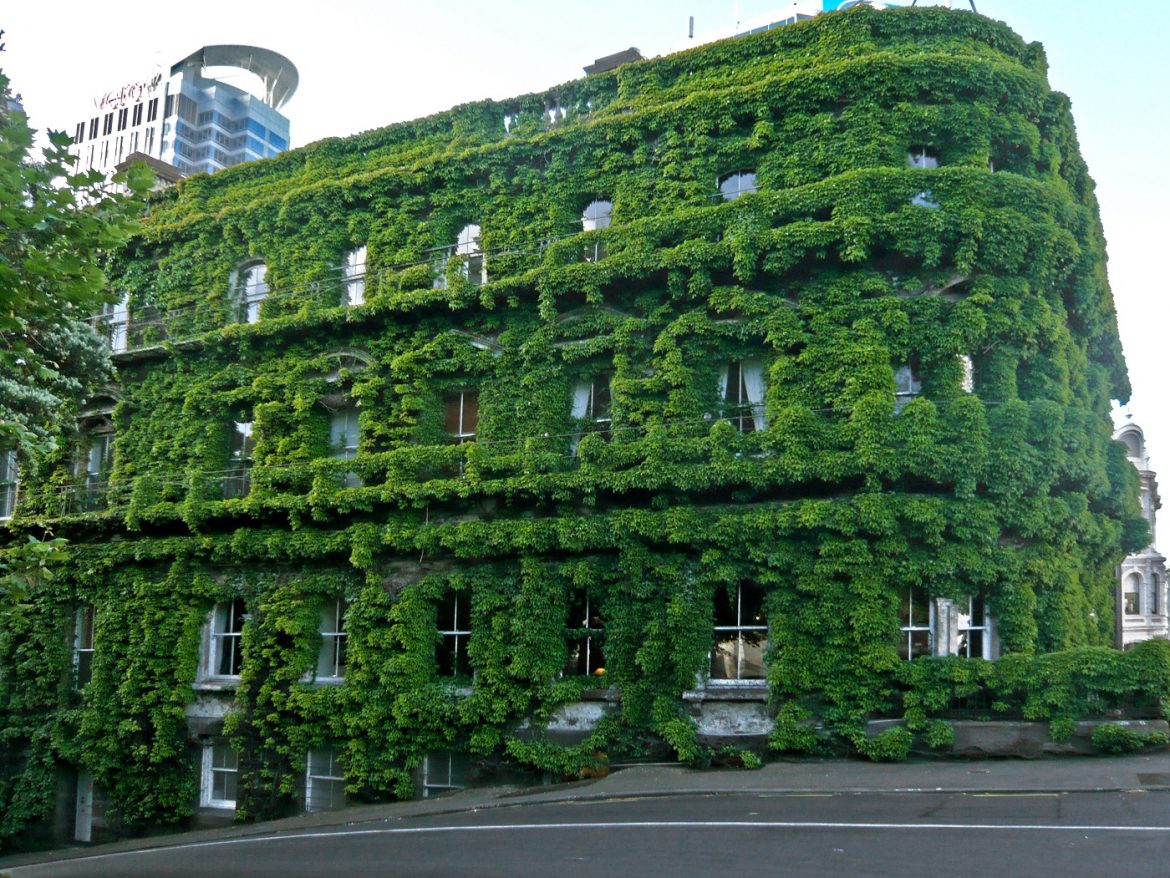
The EU Chapter of the World Green Infrastructure Netowk (WGIN) submitted a comprehensive feedback highlighting how green infrastructure like green roofs and walls support the insulation of buildings and therefore contribute to reducing their energy consumption, a key step in the decarbonisation of the EU building stock. In addition, vegetated surfaces help reduce CO2 emissions, making buildings carbon sinks and improving air quality in urban areas, while also having a positive impact on citizens’ mental health.

Given green roofs and walls’ added value for the energy performance of buildings and beyond, the EPBD revision should introduce a set of mandatory provisions on green infrastructure in new buildings, public buildings (such as hospitals and schools) and large commercial buildings, where technically feasible. Moreover, the European Commission should include mandatory considerations for green roofs and walls on residential buildings undertaking major renovations.

“The revision of the EPBD represents a unique opportunity to set green infrastructure as an integral part of the future of buildings across Europe,” said Prof. Manfred Koehler, President of WGIN. “The multiple benefits of green roofs and walls fit perfectly with the goal of the Directive to achieve a decarbonised and highly energy-efficient building stock by 2050”.

The Inception Impact Assessment represents the first step in the consultation process of the European Commission on the EPBD. The legislative proposal on the EPBD revision is expected for the end of 2021.

Read WGIN feedback here

About us

The EU Chapter of the World Green Infrastructure Network (WGIN) aims to increase the awareness of European Union policymakers about the multiple benefits of green infrastructure, with a specific focus on Building Integrated Vegetative Systems (green roofs and living walls).

WGIN brings together national and regional industry associations and renokwn experts to promote the incorporation of urban green infrastructure practice and planning, globally.
Follow us on our social channels.

Follow us on the channel that best suits you to receive our latest updates!

NEW

LATEST POSTS

Choosing green and blue over grey to improve cities’ climate resilience

Climate change is making extreme weather events more frequent and severe, increasing the vulnerability of Europe’s cities . Heatwaves, flooding, droughts and water scarcity are already affecting citizens, infrastructure, and economic activity, and continued urbanisation further intensifies these challenges. As the European Chapter of the World Green Infrastructure Network (WGIN), we publish today a new position paper ahead of the upcoming publication of the European Climate Resilience Framework, planned for release during Q4 2026. We call the Commission to ensure that the t Climate Resilience Framework: Embed a mandatory “resilience-by-design” principle across EU planning, public spending, and sectoral policies. Establish a clear EU definition of a climate-resilient city, adaptable to national and regional contexts. Require climate risk assessments for urban areas, including pathways to scale up blue-green infrastructure solutions. Prioritise urban areas, buildings, and critical infrastructure, ensuring renovation policies deliver future-proof, climate-resilient buildings. Strengthening climate resilience in Europe must start with cities and the built environment. Read our full set of recommendations here.

Policy Guidance: Making European Cities healthier, more resilient and beautiful

  WGIN’s European Chapter and EFB have released a new set of implementation guidelines to support the national adoption of European legislation. The document provides practical guidance on how to implement legal provisions that can accelerate the deployment of green roofs and green walls, generating multiple benefits for people, cities, and the environment, including climate resilience, increased biodiversity and enhanced urban wellbeing. They offer direction on implementing key EU legislative instruments: Energy Performance of Buildings Directive (EPBD) Energy Efficiency Directive (EED) Urban Waste Water Treatment Directive (UWWTD) Nature Restoration Regulation (NRR) With scientific evidence and a set of practical steps, the document shows how effective implementation of green roofs and walls can support meeting EU obligations and climate goals. Download the full paper here.

New Award Program for Landscape Architecture

The International Federation of Landscape Architects, one of WGIN’s organizational collaboration partners, is presently launching a new award program. Nominations will be accepted until June 1st. Winners will be announced in Hong Kong at the IFLA World Congress in the last week of October, 2026. The IFLA GLA Awards celebrate the projects, policies, and people shaping a resilient future. Entry submissions here. Awards GuidelinesThe IFLA Global Landscape Architecture Awards are designed to recognize the diverse, impactful work of landscape architects worldwide. From Indigenous stewardship to high-tech climate resilience, we are elevating the voices that matter. Key Information Eligibility: Open to landscape architecture practices, individuals, and multi-disciplinary teams as well as students worldwide. Projects must be completed (or published) between Jan 2021 and June 2026. Deadlines– Early Bird: 15 April 202– Standard: 15 May 2026– Final: 1 June 2026 Fees: A Tiered Fee Structure based on the World Bank Income Groups will be used to ensure fair access for professionals in all regions. Award Categories The IFLA Awards program has significant overlap with WGIN’s World Green Infrastructure Awards, and is structured into 18 diverse categories: Climate & Environment: Climate Action, Desertification, Nature Conservation, Water Security, Energy-Efficient Design. Community & Justice: Ethics & Equity, Indigenous Knowledge, Migration & Inclusive Communities, Children & Youth, Age-Friendly Communities. Planning & Culture: Landscapes for Cities, Heritage, Food Systems, International Landscape Convention. Practice & Future: Technology & Innovation, Urban Health, Resilience and Disaster Risk Reduction, Young Landscape Architects. Those who submit nominations for the WGIN Awards are encouraged to consider also participating in the IFLA Awards program. For information or suggestions about organizational collaboration between IFLA and WGIN please contact WGIN Advisory Board Member David Brasfield.