
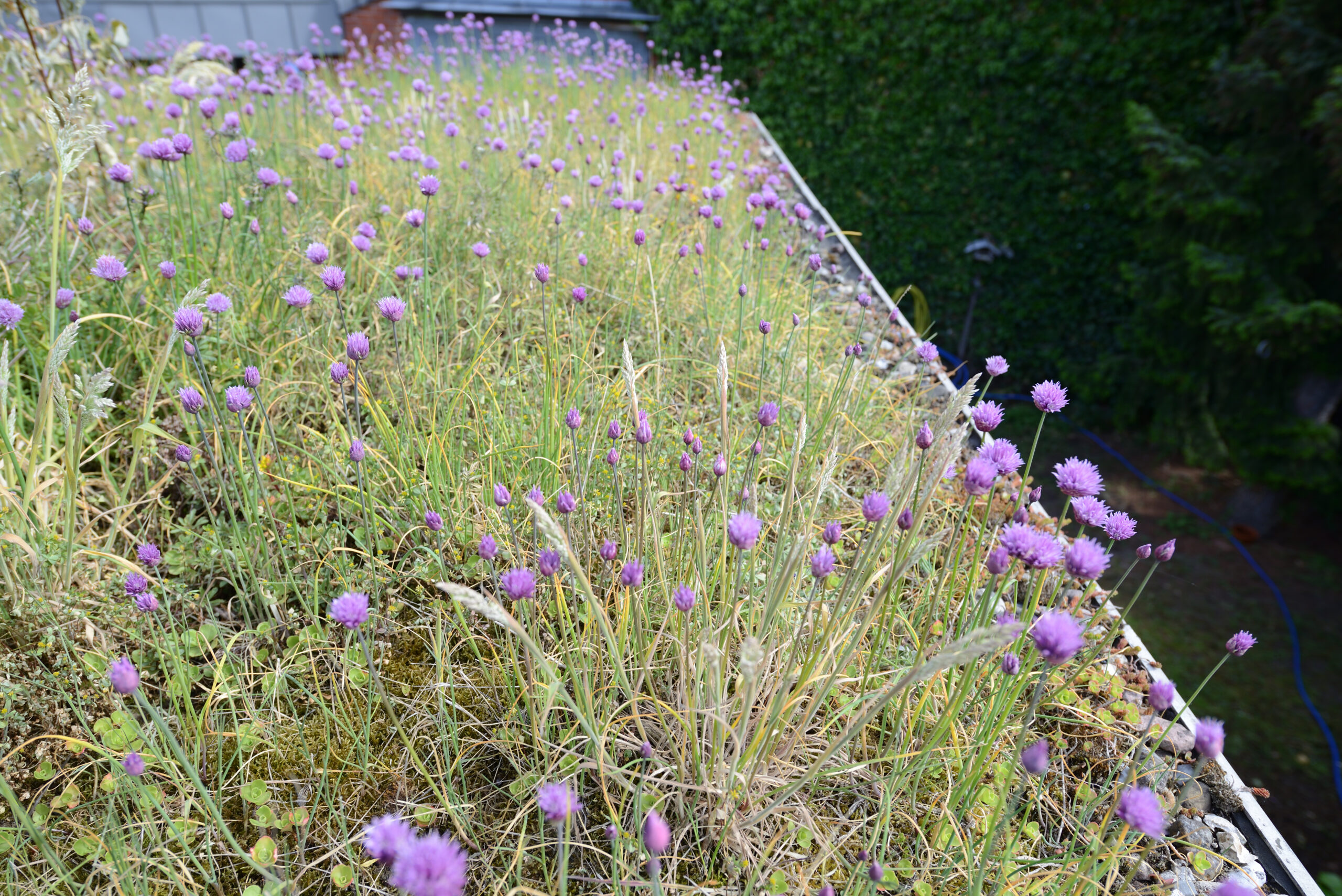
European Parliament calls for green roofs targets to restore urban biodiversity

European Parliament calls for green roofs targets to restore urban biodiversity

The European Parliament adopted its position on the EU Biodiversity Strategy for 2030, signalling another important recognition of green infrastructure benefits.

On 9 June 2021, the European Parliament adopted the resolution “EU Biodiversity Strategy for 2030: Bringing nature back into our lives”, fully endorsing the EU Commission strategy to address the current biodiversity crisis in Europe and the rest of the world.

In the resolution, the Parliament calls on the European Commission to set ambitious legally binding targets for urban biodiversity, nature-based solutions, ecosystem-based approaches and green infrastructure, highlighting their benefits for both humans and wildlife and their contribution to the overall biodiversity targets.

To promote urban biodiversity, MEPs stress the need to include measures such as a minimum share of green roofs on new buildings, supporting urban farming, ensuring no chemical pesticides are used and reducing fertiliser use in EU urban green areas. At the same time, the Parliament underlines the importance of increasing the number of green spaces according to the number of inhabitants of European urban areas, while also addressing inequalities in access to green spaces.

The resolution recognises that green urban areas and green infrastructure can provide ecosystem services to support biodiversity and contribute to the physical and mental well-being of the population. In this view, MEPs support the Commission’s initiative to set up an EU platform for urban greening.

“We are glad to see that the European Parliament recognizes the key contribution of green infrastructure to restore biodiversity in urban areas”, said Prof. Manfred Koehler, President of the World Green Infrastructure Network. “Bringing nature back into our cities is among the most urgent and difficult challenges that Europe and the world are facing. By installing vegetated surfaces on our buildings, we can create a natural habitat for pollinators, small insects and birds, and even allow for urban farming, in places that are otherwise unutilised.”

In the resolution, MEPs regret that the EU has not achieved its 2020 biodiversity objectives, stressing that the new strategy must tackle all five main drivers of change: changes in land and sea use; the direct exploitation of organisms; climate change; pollution; and invasive alien species. Moreover, they ask to mobilise €20 billion per year for biodiversity action in Europe.

About us
The EU Chapter of the World Green Infrastructure Network (WGIN) aims to increase the awareness of European Union policymakers about the multiple benefits of green infrastructure, with a specific focus on Building Integrated Vegetative Systems (green roofs and living walls).

WGIN brings together national and regional industry associations, researchers, and companies to promote the incorporation of urban green infrastructure practice and planning, globally.
Follow us on our social channels.

Follow us on the channel that best suits you to receive our latest updates!

NEW

LATEST POSTS

Save the date: World Green Infrastructure Congress 2026

Join us at: World Green Infrastructure Congress BARCELONA 2026 October 27–29: CCIB – Parc del Fòrum, Barcelona (Spain) October 30: University of Lleida – Catalunya (Spain) Organized by: University of Lleida Co-organized by the World Green Infrastructure Network (WGIN). Visit WGIC26.Barcelona

WGIC26 – Closing the gap between communities of practice for green infrastructure and health

  WGIN’s mission statement is “The World Green Infrastructure Network advocates for optimal use of green infrastructure in the urban built environment for the health and well-being of people and the planet.” WGIN has in recent years acknowledged a gap in the attention we’ve given to the human health and well-being benefits of urban green infrastructure. The next World Green Infrastructure Congress, WGIC26, in Barcelona in October 2026 will address this gap by dedicating one of its three thematic tracks to health and well-being. Our congress hosts, the University of Lleida, expect this track will contribute to increased focus on health and well-being within our community of practice, and will hopefully contribute to increased interdisciplinary collaboration with the health sector. WGIN members and stakeholders are encouraged to support and help distribute the soon to be published call for papers for WGIC26 through their websites, social media and personal networks and to assist in recruiting the health community to join us in Barcelona. Through stronger interdisciplinary collaboration we can foster greater recognition and support for urban and building integrated green infrastructure and its relevance in health research, policies and practices. The socioeconomic system seen through the One Health lens. Source

Green Street Standards – A Breakthrough in Urban Green and Blue Infrastructure (Wrocław, Poland)

Local stormwater management in a rain garden collecting runoff from S. Drabika Street, Wrocław (Poland). (Photo: J. Rubaszek). Planning and designing green and blue infrastructure (GBI) as an integral part of urban streets – as is widely recognised – requires support in terms of organisation, funding, legislation and social awareness. As demonstrated by the case of Wrocław – one of the fastest-growing cities in Poland – standards can serve as an effective tool for supporting the implementation of GBI. These standards include guidelines and model solutions that integrate spatial, technical, and environmental aspects. Before establishing these standards, introducing green and blue infrastructure to Wrocław’s streets – even in newly planned projects – posed significant challenges. The main obstacles included insufficient space, the location of underground utility networks in areas that could otherwise accommodate trees, and relatively low public awareness of the importance of creating proper conditions for vegetation, especially large street trees. Read the full article here.