Green Roof Maia Forum

Green Roof Maia Forum

Images: © Neoturf

The potential to promote biodiversity in cities is one of the great advantages of green roofs. These can be designed as connecting points of green infrastructure and habitats for species existing in other areas of cities or as habitats for species that are generally less mobile.

A focus on the promotion of biodiversity


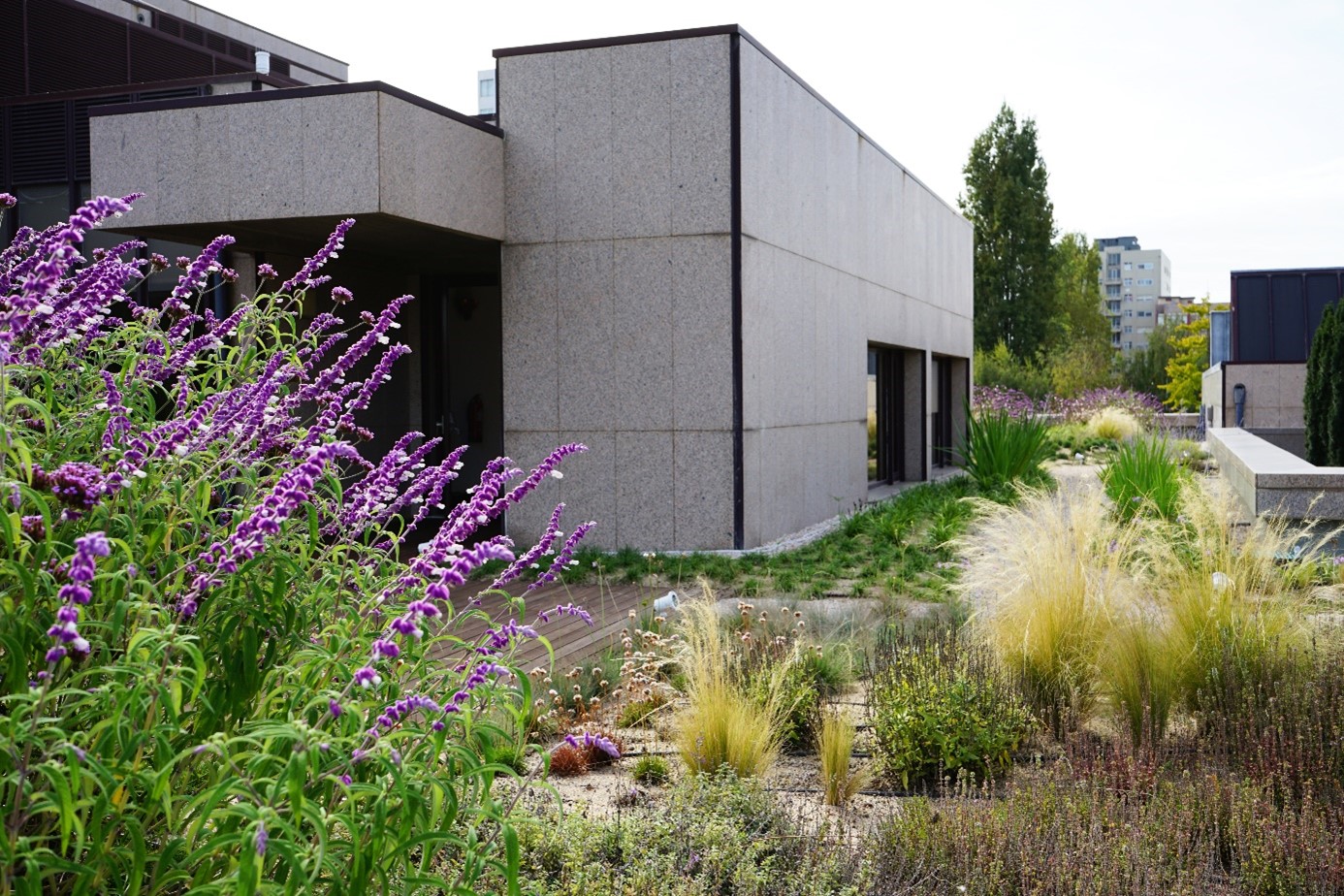
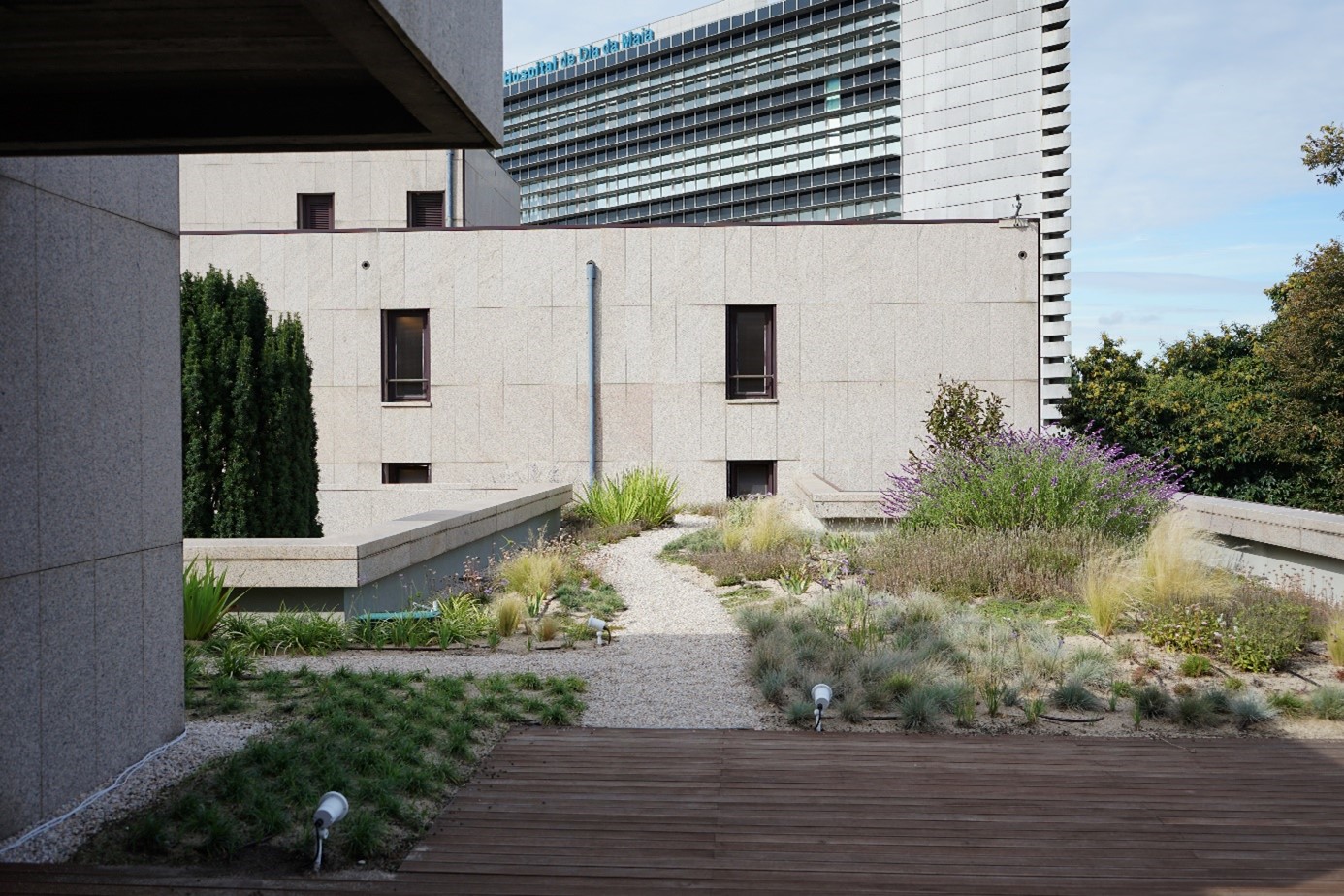
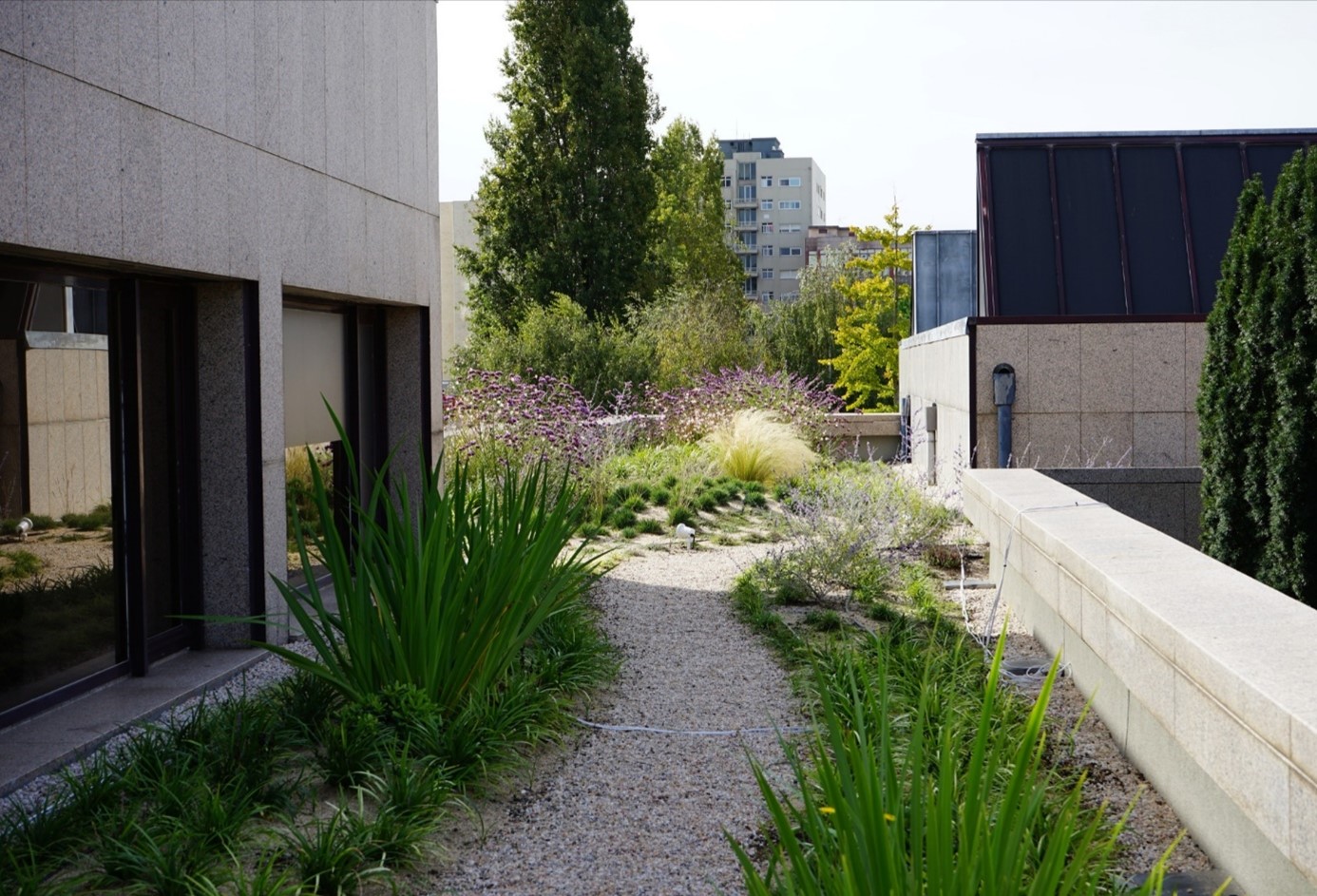
The potential to promote biodiversity in cities is one of the great advantages of green roofs. These can be designed as connecting points of green infrastructure and habitats for species existing in other areas of cities or as habitats for species that are generally less mobile. The design concept for the green roof of the Forum da Maia was developed simultaneously with the analysis of the space. Due to the characteristics of the building and the educational character that was intended in the project, a simple and naturalistic design was chosen with a focus on the promotion of biodiversity, which maximizes the vegetation areas and allows the sporadic visit of visitors in a non-invasive way. The concept for the green roof of the Maia Forum is particularly materialized in the modelling of the terrain and the composition of the vegetation, mostly indigenous and with species that are especially effective in promoting biodiversity.

The curves of the main path, naturalized with stabilized gravel, and the naturalistic character of the plantations and species chosen deliberately contrast with the rigid and formal character of the building. The large vegetation around the building and present in all areas of the roof completes the composition serving as a green frame.

Regarding vegetation, this proposal prioritizes native species highly adapted to the climate of the region and promoters of biodiversity, such as Verbena bonariensis, Thymus serpyllum and Corynephorus canescens. Its textures, cuts and flowering provide a pleasant visual composition, which has sensorial interest throughout the year: greener and exuberant in spring/summer and more brownish and golden in autumn/winter.

In addition to providing all the typical benefits of green roofs, it is intended that the space serves as an object of environmental education for different audiences and of contemplation / occasional use for workers in the municipality and their visits. This roof is intended to function as a living laboratory and, for this, thermal and humidity sensors were installed along the various layers that compose it, as well as a weather station that are interconnected and will be monitored by ITeCons technicians. The project also uses a green roof system of ecological design and 100% national production, based on expanded cork agglomerates. This system is the result of a 3-year research project (“Green Urban Living – GUL”) between Neoturf, Amorim, ANQIP and ITeCons, funded by the European community.
 

https://www.youtube.com/watch?v=_cO25vm0EBo

Green walls: Neoturf
Year: 2021
City: Maia
Location: Maia Forum
owner website

more information

Follow us on our social channels.

Follow us on the channel that best suits you to receive our latest updates!

NEW

LATEST POSTS

Save the date: World Green Infrastructure Congress 2026

Join us at: World Green Infrastructure Congress BARCELONA 2026 October 27–29: CCIB – Parc del Fòrum, Barcelona (Spain) October 30: University of Lleida – Catalunya (Spain) Organized by: University of Lleida Co-organized by the World Green Infrastructure Network (WGIN). Visit WGIC26.Barcelona

WGIC26 – Closing the gap between communities of practice for green infrastructure and health

  WGIN’s mission statement is “The World Green Infrastructure Network advocates for optimal use of green infrastructure in the urban built environment for the health and well-being of people and the planet.” WGIN has in recent years acknowledged a gap in the attention we’ve given to the human health and well-being benefits of urban green infrastructure. The next World Green Infrastructure Congress, WGIC26, in Barcelona in October 2026 will address this gap by dedicating one of its three thematic tracks to health and well-being. Our congress hosts, the University of Lleida, expect this track will contribute to increased focus on health and well-being within our community of practice, and will hopefully contribute to increased interdisciplinary collaboration with the health sector. WGIN members and stakeholders are encouraged to support and help distribute the soon to be published call for papers for WGIC26 through their websites, social media and personal networks and to assist in recruiting the health community to join us in Barcelona. Through stronger interdisciplinary collaboration we can foster greater recognition and support for urban and building integrated green infrastructure and its relevance in health research, policies and practices. The socioeconomic system seen through the One Health lens. Source

Green Street Standards – A Breakthrough in Urban Green and Blue Infrastructure (Wrocław, Poland)

Local stormwater management in a rain garden collecting runoff from S. Drabika Street, Wrocław (Poland). (Photo: J. Rubaszek). Planning and designing green and blue infrastructure (GBI) as an integral part of urban streets – as is widely recognised – requires support in terms of organisation, funding, legislation and social awareness. As demonstrated by the case of Wrocław – one of the fastest-growing cities in Poland – standards can serve as an effective tool for supporting the implementation of GBI. These standards include guidelines and model solutions that integrate spatial, technical, and environmental aspects. Before establishing these standards, introducing green and blue infrastructure to Wrocław’s streets – even in newly planned projects – posed significant challenges. The main obstacles included insufficient space, the location of underground utility networks in areas that could otherwise accommodate trees, and relatively low public awareness of the importance of creating proper conditions for vegetation, especially large street trees. Read the full article here.