Latest in: energy saving.

EU chapter

Have Your Say: European Commission Consults on New Stormwater Policies

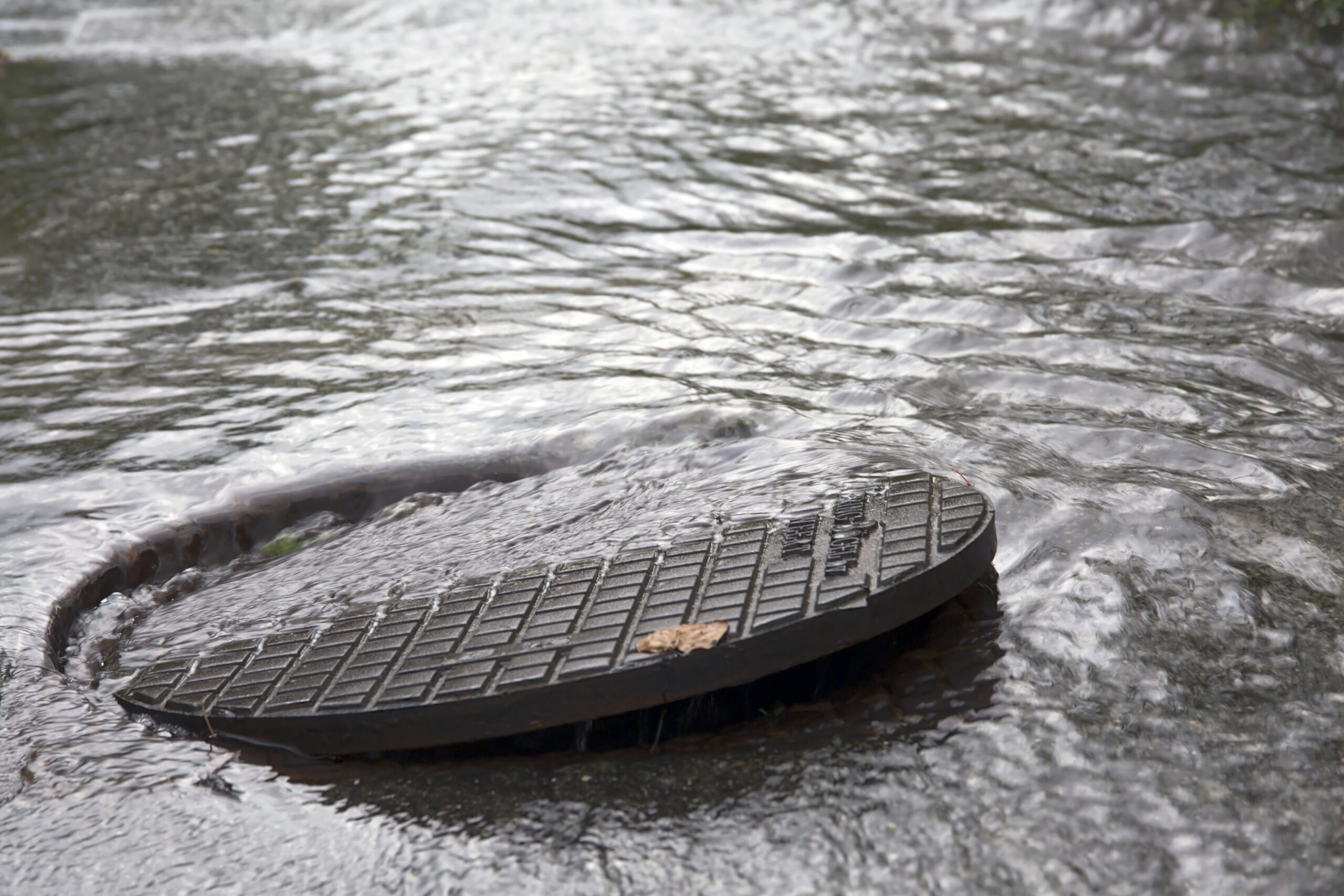
Oblique lid of a well after thunder shower. ID: 697109167 April 2021 was the wettest and coldest April on record, yet summer in Europe could not have had a better start for green infrastructure. Let’s find out why. In the Summer edition of Living Architecture Monitor (LAM), Head of EU World Green Infrastructure Network Luigi Petito, writes about the Urban Waste Water Treatment Directive (UWWTD) that was developed 30 years ago to ensure clean and safe urban wastewater in European cities. The full article is available here. The LAM magazine is a quarterly publication first published in 1998.  It features in-depth interviews with leaders in the green building movement, opinions, research, and green roof and wall project profiles. Living architecture is the integration of living, organic systems with non-living, inorganic systems in, on, or around buildings. Living architecture is an important step to reconcile people and nature in the modern built environment.

Read More »
EU chapter

In the press | Jure Šumi: “Green infrastructure bring life to cities”

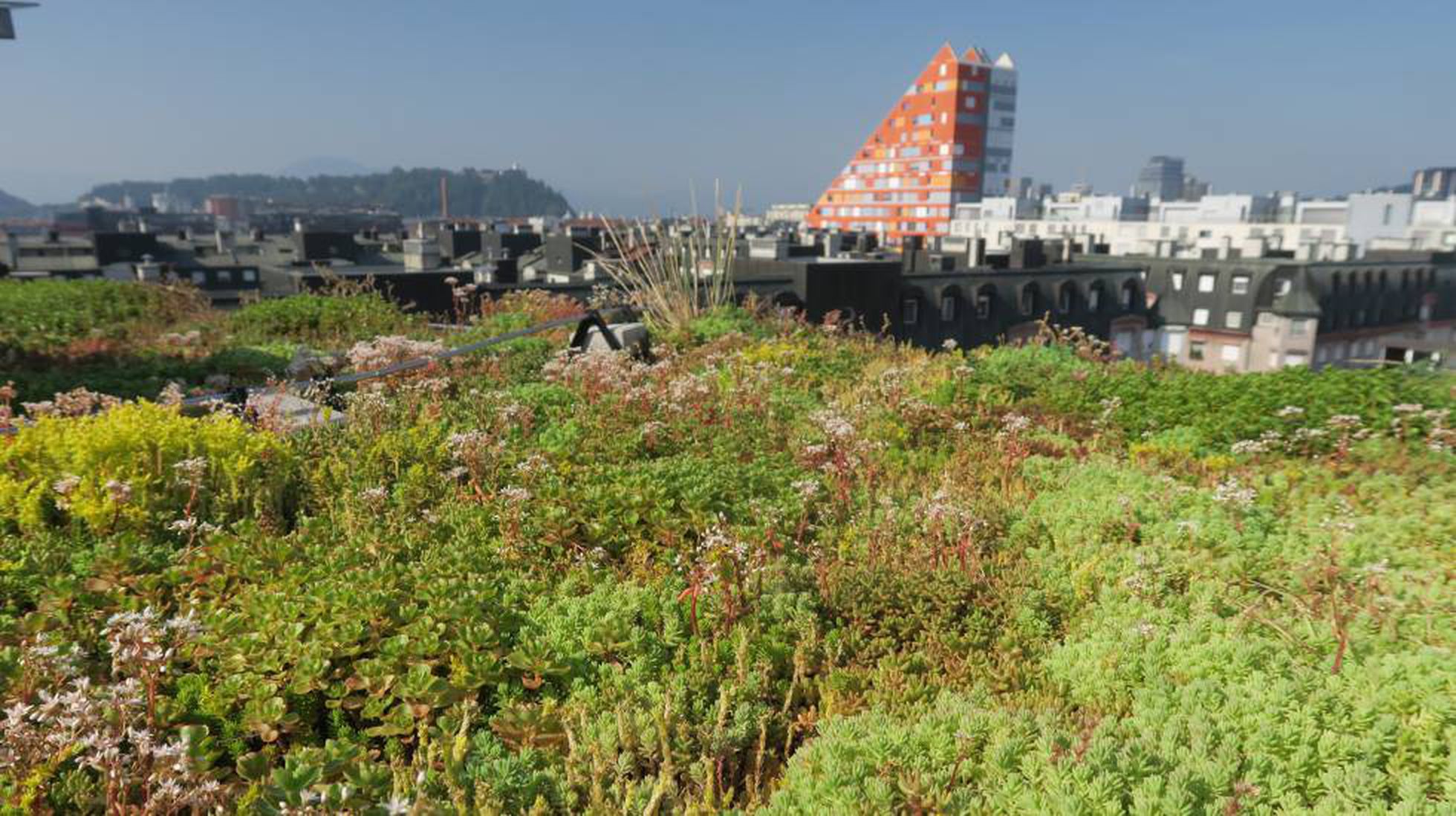
Azotea del Instituto Nacional de Biologia, en Liubliana, capital de Eslovenia. © DANILO BEVK In an interview to top-ranking Spanish media outlet El Pais, Jure Sumi, president of the Slovenian Green Infrastructure Association and Representative of the WGIN European Business Group presented the multiple benefits of nature in cities. “The holistic benefits that urban green infrastructure is bringing to cities are relatively little known”, Jure Sumi told El Pais, “People, and even city officials, are not aware of all the positive effects of nature. The benefits go beyond the aesthetic. Green infrastructure brings life to cities, reduces overheating in city centres, manages stormwater and removes dangerous dust particles from the air…. If buildings are designed correctly, green roofs on top can be additional amenity spaces for residents to enjoy nature at home.” “Not understanding all the benefits brings us to the second challenge”, he explained, “Adding green infrastructure is costly. As the benefits are not yet recognised, investors are not willing to pay much more for ‘green buildings’ as they are not sure how to sell the benefit to potential buyers. They see green infrastructure more as an additional cost than as an opportunity to increase the value of the building. I firmly believe that this is our task, to convince national and municipal governments, as well as investors and residents, to understand the benefits of green infrastructure. In the end everyone wins: municipality, investor, resident and, above all, nature.” Read the full article (in Spanish): https://elpais.com/elpais/2021/06/14/seres_urbanos/1623663219_703877.html

Read More »
EU chapter

European Parliament calls for green roofs targets to restore urban biodiversity

The European Parliament adopted its position on the EU Biodiversity Strategy for 2030, signalling another important recognition of green infrastructure benefits. On 9 June 2021, the European Parliament adopted the resolution “EU Biodiversity Strategy for 2030: Bringing nature back into our lives”, fully endorsing the EU Commission strategy to address the current biodiversity crisis in Europe and the rest of the world. In the resolution, the Parliament calls on the European Commission to set ambitious legally binding targets for urban biodiversity, nature-based solutions, ecosystem-based approaches and green infrastructure, highlighting their benefits for both humans and wildlife and their contribution to the overall biodiversity targets. To promote urban biodiversity, MEPs stress the need to include measures such as a minimum share of green roofs on new buildings, supporting urban farming, ensuring no chemical pesticides are used and reducing fertiliser use in EU urban green areas. At the same time, the Parliament underlines the importance of increasing the number of green spaces according to the number of inhabitants of European urban areas, while also addressing inequalities in access to green spaces. The resolution recognises that green urban areas and green infrastructure can provide ecosystem services to support biodiversity and contribute to the physical and mental well-being of the population. In this view, MEPs support the Commission’s initiative to set up an EU platform for urban greening. “We are glad to see that the European Parliament recognizes the key contribution of green infrastructure to restore biodiversity in urban areas”, said Prof. Manfred Koehler, President of the World Green Infrastructure Network. “Bringing nature back into our cities is among the most urgent and difficult challenges that Europe and the world are facing. By installing vegetated surfaces on our buildings, we can create a natural habitat for pollinators, small insects and birds, and even allow for urban farming, in places that are otherwise unutilised.” In the resolution, MEPs regret that the EU has not achieved its 2020 biodiversity objectives, stressing that the new strategy must tackle all five main drivers of change: changes in land and sea use; the direct exploitation of organisms; climate change; pollution; and invasive alien species. Moreover, they ask to mobilise €20 billion per year for biodiversity action in Europe. About usThe EU Chapter of the World Green Infrastructure Network (WGIN) aims to increase the awareness of European Union policymakers about the multiple benefits of green infrastructure, with a specific focus on Building Integrated Vegetative Systems (green roofs and living walls). WGIN brings together national and regional industry associations, researchers, and companies to promote the incorporation of urban green infrastructure practice and planning, globally.

Read More »
EU chapter

European Parliament highlights green roofs for climate change adaptation

December 2020 – In a resolution adopted on 17 December the European Parliament recognised the key role of green roofs and walls to minimise the adverse impact of climate change. The resolution says that green roofs and walls can contribute to cooling high urban temperatures, retaining and reusing rainwater and producing food. Urban green infrastructure can also help reduce air pollution, improve the quality of life in cities, reduce risks to human health, and protect biodiversity, including pollinators. MEPs supported any targeted initiatives to seize this potential, including the development of urban strategies and better spatial planning. Moreover, they called for infrastructure such as roads, parking lots, train tracks and power and drainage systems to be made biodiversity and climate-proof. The Parliament’s resolution on adaptation to climate change will provide input on a new EU Adaptation Strategy, expected from the Commission in 2021 as part of the European Green Deal. About usThe EU Chapter of the World Green Infrastructure Network (WGIN) aims to increase the awareness of the European Union policymakers about the multiple benefits of green infrastructure, with a specific focus on Building Integrated Vegetative Systems (green roofs and living walls). WGIN brings together national and regional industry associations to promote the development of the green infrastructure industry through training, research, advocacy for new policy, conferences, publications, and promotion.

Read More »
EU chapter

Greener buildings to save energy and reduce emissions

WGIN EU Chapter highlights multiple benefits of greener buildings in its first feedback on the revision of the Energy Performance of Buildings Directive. On 22 February, the European Commission published its Inception Impact Assessment on the revision of the Energy Performance of Buildings Directive (EPBD), requesting stakeholders to share their inputs. The EU Chapter of the World Green Infrastructure Netowk (WGIN) submitted a comprehensive feedback highlighting how green infrastructure like green roofs and walls support the insulation of buildings and therefore contribute to reducing their energy consumption, a key step in the decarbonisation of the EU building stock. In addition, vegetated surfaces help reduce CO2 emissions, making buildings carbon sinks and improving air quality in urban areas, while also having a positive impact on citizens’ mental health. Given green roofs and walls’ added value for the energy performance of buildings and beyond, the EPBD revision should introduce a set of mandatory provisions on green infrastructure in new buildings, public buildings (such as hospitals and schools) and large commercial buildings, where technically feasible. Moreover, the European Commission should include mandatory considerations for green roofs and walls on residential buildings undertaking major renovations. “The revision of the EPBD represents a unique opportunity to set green infrastructure as an integral part of the future of buildings across Europe,” said Prof. Manfred Koehler, President of WGIN. “The multiple benefits of green roofs and walls fit perfectly with the goal of the Directive to achieve a decarbonised and highly energy-efficient building stock by 2050”. The Inception Impact Assessment represents the first step in the consultation process of the European Commission on the EPBD. The legislative proposal on the EPBD revision is expected for the end of 2021. Read WGIN feedback here About us The EU Chapter of the World Green Infrastructure Network (WGIN) aims to increase the awareness of European Union policymakers about the multiple benefits of green infrastructure, with a specific focus on Building Integrated Vegetative Systems (green roofs and living walls). WGIN brings together national and regional industry associations and renokwn experts to promote the incorporation of urban green infrastructure practice and planning, globally.
Read More »

Follow us on our social channels.

Follow us on the channel that best suits you to receive our latest updates!