
Why greening cities should be a pillar of climate action

Why greening cities should be a pillar of climate action

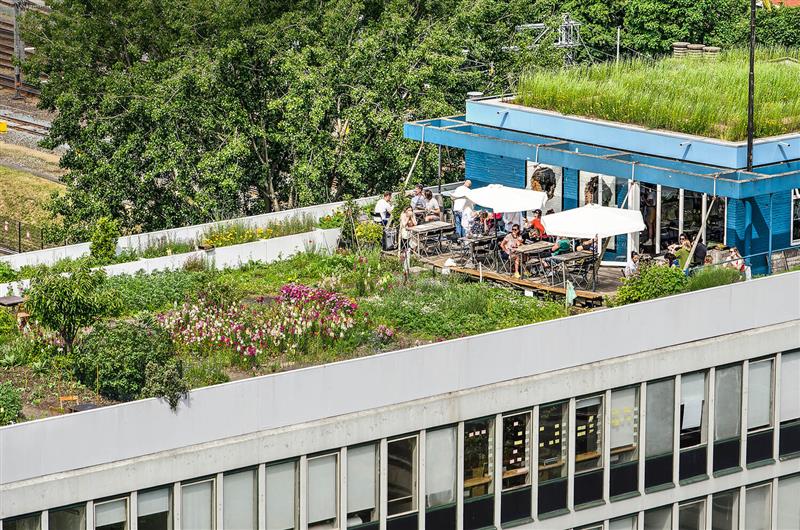
Rotterdam, The Netherlands: section of the Dakakker. ID:1415339051

By interweaving green infrastructure with the built environment, we can tackle some of the effects of human-induced warming locally, writes Luigi Petito, Head of WGIN EU Chapter, in the Autumn edition of Living Architecture Monitor

This summer’s extreme weather conditions battered most of Europe. In the North of the continent heavy precipitations devastated large part of Belgium and Germany. This had a dramatic human impact. In the South, wildfires ravaged large areas in Spain, Italy and Greece. Sadly, these events were not limited to Europe: extreme weather was a phenomenon witnessed by communities across the globe, showing that even some of the world’s richest countries remain unprepared for the intensifying consequences of climate change.

The Sixth Assessment Report of the United Nations Intergovernmental Panel on Climate Change reminded us that unless significant reductions in CO2 and other greenhouse gas emissions occur in the coming decades, the global temperature will increase  above 1.5 °C and the consequences for the health of planet Earth and for humanity will be dire.

Regrettably, many changes due to past and future greenhouse gas emissions are irreversible, especially changes to the ocean, ice sheets and the global sea levels. Others can be addressed with effective mitigation and adaptation actions.

In cities for example, we can reverse the trends if we renature urban areas. By interweaving green infrastructure with the built environment, we can tackle some of the effects of human-induced warming locally. At the same time, we can limit further urbanization, which, according to the IPCC report, will increase the severity of heatwaves as well as mean and heavy precipitation and resulting runoff intensity.

Read the full article here

Living Architecture Monitor (LAM) is a quarterly publication first published in 1998. It features in-depth interviews with leaders in the green building movement, opinions, research, and green roof and wall project profiles.
Follow us on our social channels.

Follow us on the channel that best suits you to receive our latest updates!

NEW

LATEST POSTS

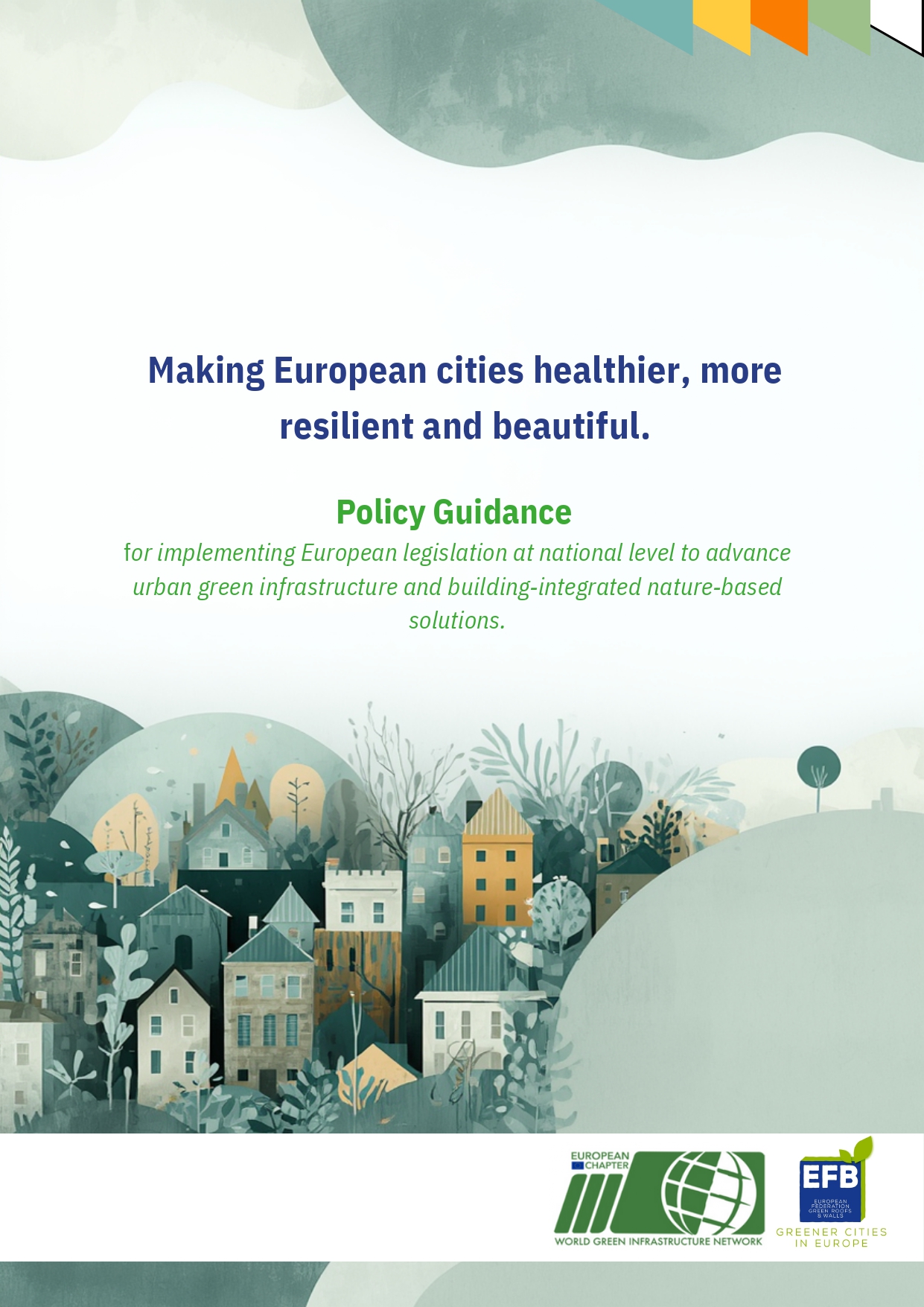
Policy Guidance: Making European Cities healthier, more resilient and beautiful

  WGIN’s European Chapter and EFB have released a new set of implementation guidelines to support the national adoption of European legislation. The document provides practical guidance on how to implement legal provisions that can accelerate the deployment of green roofs and green walls, generating multiple benefits for people, cities, and the environment, including climate resilience, increased biodiversity and enhanced urban wellbeing. They offer direction on implementing key EU legislative instruments: Energy Performance of Buildings Directive (EPBD) Energy Efficiency Directive (EED) Urban Waste Water Treatment Directive (UWWTD) Nature Restoration Regulation (NRR) With scientific evidence and a set of practical steps, the document shows how effective implementation of green roofs and walls can support meeting EU obligations and climate goals. Download the full paper here.

New Award Program for Landscape Architecture

The International Federation of Landscape Architects, one of WGIN’s organizational collaboration partners, is presently launching a new award program. Nominations will be accepted until June 1st. Winners will be announced in Hong Kong at the IFLA World Congress in the last week of October, 2026. The IFLA GLA Awards celebrate the projects, policies, and people shaping a resilient future. Entry submissions here. Awards GuidelinesThe IFLA Global Landscape Architecture Awards are designed to recognize the diverse, impactful work of landscape architects worldwide. From Indigenous stewardship to high-tech climate resilience, we are elevating the voices that matter. Key Information Eligibility: Open to landscape architecture practices, individuals, and multi-disciplinary teams as well as students worldwide. Projects must be completed (or published) between Jan 2021 and June 2026. Deadlines– Early Bird: 15 April 202– Standard: 15 May 2026– Final: 1 June 2026 Fees: A Tiered Fee Structure based on the World Bank Income Groups will be used to ensure fair access for professionals in all regions. Award Categories The IFLA Awards program has significant overlap with WGIN’s World Green Infrastructure Awards, and is structured into 18 diverse categories: Climate & Environment: Climate Action, Desertification, Nature Conservation, Water Security, Energy-Efficient Design. Community & Justice: Ethics & Equity, Indigenous Knowledge, Migration & Inclusive Communities, Children & Youth, Age-Friendly Communities. Planning & Culture: Landscapes for Cities, Heritage, Food Systems, International Landscape Convention. Practice & Future: Technology & Innovation, Urban Health, Resilience and Disaster Risk Reduction, Young Landscape Architects. Those who submit nominations for the WGIN Awards are encouraged to consider also participating in the IFLA Awards program. For information or suggestions about organizational collaboration between IFLA and WGIN please contact WGIN Advisory Board Member David Brasfield.

Save the date: World Green Infrastructure Congress 2026

Join us at: World Green Infrastructure Congress BARCELONA 2026 October 27–29: CCIB – Parc del Fòrum, Barcelona (Spain) October 30: University of Lleida – Catalunya (Spain) Organized by: University of Lleida Co-organized by the World Green Infrastructure Network (WGIN). Visit WGIC26.Barcelona