Latest in: green infrastructure.

EU chapter

Bauder joins World Green Infrastructure Network

WGIN welcomes leading Germany-based company as a new corporate member. The green roof firm will be part of the network’s European Chapter. The World Green Infrastructure Network (WGIN) is delighted to announce that as of 2022 Bauder is joining the Network as a new corporate member. Bauder is also joining the EU Chapter of WGIN, the network’s advocacy section dedicated to advance the green infrastructure agenda in the European Union. Paul Bauder Gmbh & Co. KG, a family business founded in 1857, is a leading international manufacturer of building construction materials. The third Bauder generation established an important milestone in the company’s history by focusing on the roof. In addition to the flat roof business unit, which includes green roof and photovoltaic systems, they built up the pitched roof business unit. Today the company provides clients with waterproofing membranes and insulation to make buildings watertight and thermally efficient, photovoltaic installations for renewable energy generation, and green roofs to support the environment and create better living and working spaces for people. Bauder is based in Stuttgart and operates in 16 countries around the world, with more than 1.300 employees. Manfred Koehler, President of the World Green Infrastructure Network, said:“We are extremely pleased to welcome Bauder as a new member of WGIN and of its EU Chapter. As one of the world leaders in green roof technologies, Bauder fits perfectly with our mission to promote green infrastructure to create greener and healthier urban spaces, benefitting nature and people. We look forward to working together towards achieving this important goal in Europe and beyond.” Tim Bauder, Bauder Managing Director, commented:“At Bauder, we know the potential that roofs have for mitigating the effects of climate change. Every green roof creates new, important living space that makes our cities greener and therefore more liveable. We are very happy about our membership and to be able to support WGIN with our expertise in green roofs.” Download the pdf version Media contactsCéline DurerCorporate CommunicationsBauderceline.durer@bauder.de Luigi PetitoHead of SecretariatWGIN – EU Chapterluigi.petito@wgin.org
Read More »
Projects

Indoor living wall for Beringea office in London

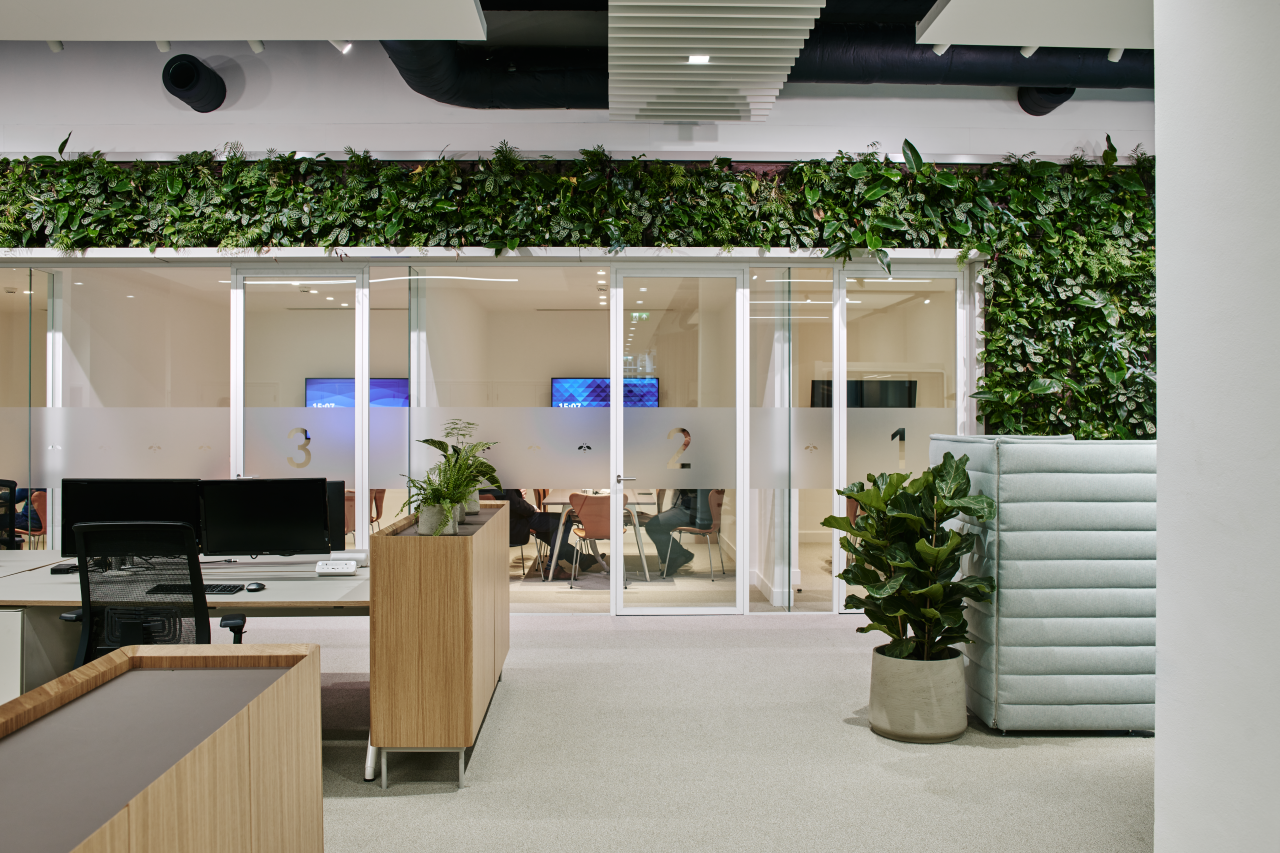
Green walls: Sempergreen Designers: Mowat & Co Installation by Inleaf Year: 2021 City: London Location: Beringea Office owner website Images: © Chris Horwood and Mowat & Co The Beringea office in London has undergone a major refurbishment designed by Mowat & Co. The aim of the renovation for the venture capitalist company is to establish a nature to human connection. It was extremely important to turn the traditional office into a hub that creates a sense of calm, warmth, openness and belonging. One of the important aspects that contributed to this matter, is the installed living green wall. This provides a pleasant working environment, it contributes to a more positive state of mind and improves productivity. Green environment promotes a healthy indoor climate and increases productivity The work nature of venture capitalists can be very demanding and tends to be a high pressure working environment. The living wall supports to increase the feeling of well-being, as greenery offers relaxation and reduces stress. Moreover, the inclusion of a living wall and greenery in the office can result in a 15% increase in productivity. The plants in a living wall can filter particulate matter from the air and convert CO2 into oxygen. The use of a living green wall is a valuable addition to the interior of any office.  Number of Green roofs / Walls on Property: 1 green wall, 38,35 m² Green Roof/Wall System: SemperGreenwall Indoor

Read More »
EU chapter

A new model of “urban forestation” to reduce energy costs

At EIMA, the international agricultural machinery exhibition in Bologna (Italy), the World Green Infrastructure Network presented proposals for new standards on green areas in rural, commercial and public building renovations and new construction. The association’s proposals revolve around the definition of new parameters for the renovation of commercial, rural and public buildings and for new residential constructions. These parameters should stimulate, through tax and financial incentives, a more rapid reduction in energy costs in the wake of the objectives set by the European Commission. In particular, according to WGIN, green areas should be integrated in new zero-emission buildings and combined with installations of renewable energy systems: a combination that increases energy efficiency by between 5 and 10%. In addition, as regards the renovation of public, commercial and rural buildings, the introduction of a minimum green area standard should become indispensable to improve environmental mitigation measures. “The time has come for Italy, with the support of other EU countries, to seriously promote a real European Green Deal for climate mitigation in urban areas,” said Riccardo Rigolli, agronomist and board member of WGIN. Read more

Read More »
EU chapter

Renaturing our cities for climate action and citizens’ wellbeing – Open letter to the EU Commission

Boosting the uptake of green infrastructure through new EU rules on buildings’ energy performance can lead the way for decarbonised, healthier and more biodiverse buildings and cities, 36 organisations representing industry associations, companies, universities, think tanks and NGOs, wrote in an open letter to the European Commission. “The built environment is a core area of the Union’s decarbonisation efforts in the next ten years. We believe that green infrastructure, with the support of the right legislative framework, can play a key role both for climate mitigation and in supporting urban areas to adapt to a changing climate”, write the co-signatories. They underline that with urban population projected to further grow in most European regions, investing in the switch from grey to Blue-Green Infrastructure must be a priority to renature our cities, reduce their carbon footprint and improve the health and wellbeing of their residents. The 36 organisations call on the Commission to introduce in its proposal for the revision of the Energy Performance of Buildings Directive (EPBD) mandatory provisions for the integration of green infrastructure in new and renovated buildings. In particular, they recommend to: Systematically integrate green infrastructure in a new Zero Emission Building standard and require combination with solar renewables installations (bio-solar roofs) such as solar thermal and/or photovoltaic energy; Require commercial and public buildings, undertaking renovations, to install green roofs and walls in combination with solar renewables installations (bio-solar roofs) such as solar thermal and/or photovoltaic energy; Require Member States to provide incentives for large residential buildings occupying a land surface of 400m2, and more, and undertaking renovations to install green roofs in combination with solar renewables installations (bio-solar roofs) such as solar thermal and/or photovoltaic energy. European citizens will support these actions, as the recent lockdowns stressed the importance of access to nature and green spaces for people’s mental and physical health and general wellbeing, the letter states. With the right legislative framework, we can make nature and green areas accessible to all by installing vegetation on billions of square meters of roofs and impervious surfaces which would be otherwise unused. Read and download the full letter here Note to the editor: The European Commission is expected to present a proposal for the revision of the EU Energy Performance of Buildings Directive (EPBD) in December 2021.

Read More »
EU chapter

Why greening cities should be a pillar of climate action

Rotterdam, The Netherlands: section of the Dakakker. ID:1415339051 By interweaving green infrastructure with the built environment, we can tackle some of the effects of human-induced warming locally, writes Luigi Petito, Head of WGIN EU Chapter, in the Autumn edition of Living Architecture Monitor This summer’s extreme weather conditions battered most of Europe. In the North of the continent heavy precipitations devastated large part of Belgium and Germany. This had a dramatic human impact. In the South, wildfires ravaged large areas in Spain, Italy and Greece. Sadly, these events were not limited to Europe: extreme weather was a phenomenon witnessed by communities across the globe, showing that even some of the world’s richest countries remain unprepared for the intensifying consequences of climate change. The Sixth Assessment Report of the United Nations Intergovernmental Panel on Climate Change reminded us that unless significant reductions in CO2 and other greenhouse gas emissions occur in the coming decades, the global temperature will increase  above 1.5 °C and the consequences for the health of planet Earth and for humanity will be dire. Regrettably, many changes due to past and future greenhouse gas emissions are irreversible, especially changes to the ocean, ice sheets and the global sea levels. Others can be addressed with effective mitigation and adaptation actions. In cities for example, we can reverse the trends if we renature urban areas. By interweaving green infrastructure with the built environment, we can tackle some of the effects of human-induced warming locally. At the same time, we can limit further urbanization, which, according to the IPCC report, will increase the severity of heatwaves as well as mean and heavy precipitation and resulting runoff intensity. Read the full article here Living Architecture Monitor (LAM) is a quarterly publication first published in 1998. It features in-depth interviews with leaders in the green building movement, opinions, research, and green roof and wall project profiles.

Read More »
EU chapter

In the press | Rainwater as a resource in the city

Blue-green infrastructure are key to help adapt urban rainwater management to climate change, reports Tagesspiegel Background (Germany). In Germany and the EU, experts are calling for more commitment to adapting urban rainwater management to climate change. The focus is on new concepts such as a blue-green infrastructure and the networking of storage measures. Luigi Petito, Head of the European Chapter of the World Green Infrastructure Network, was asked by Tagesspiegel about the benefits of green infrastructure for urban water management and the latest policy developments at EU level. “A lot is happening right now, but there is still a lack of mandatory regulations for blue-green infrastructure in cities,” Petito said, pointing in particular at the upcoming revision of the EU Urban Waste Water Treatment Directive (UWWTD). “Germany has played a pioneering role in the implementation of blue-green implementation of blue-green pilot projects in cities, but also in the development of technical solutions”, he added. Such examples could serve as a model throughout Europe. Read the full article (German)

Read More »
Projects

McDonald’s created a green flagship restaurant in Orlando, Florida

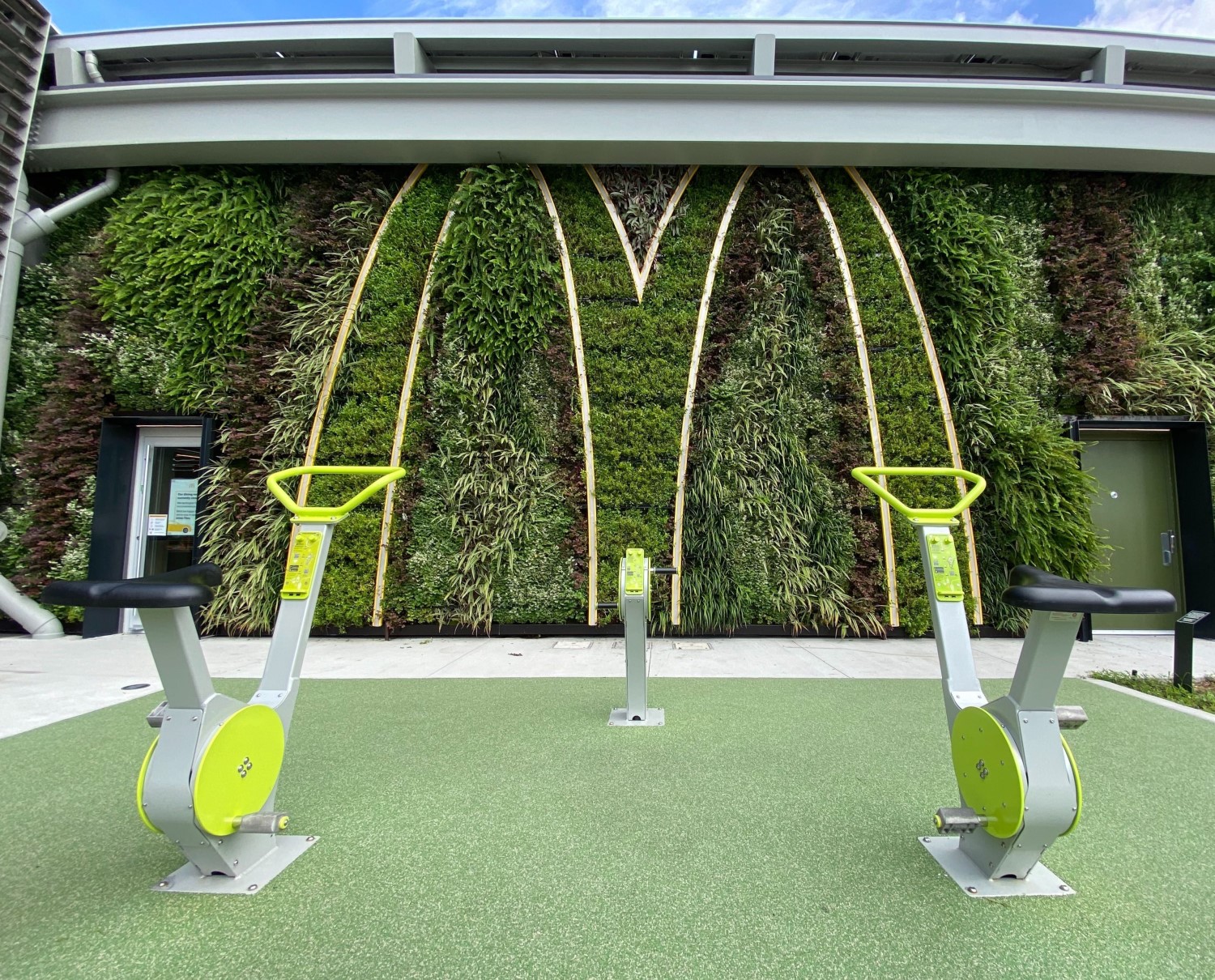
Images first and last: ©Sempergreen Services LLC.Images others: ©Kate Joyce/Ross Barney Architects Green walls: Sempergreen Year: 2020 City: Orlando, Florida, USA owner website McDonald’s has opened a sustainable flagship restaurant at Walt Disney World in Orlando, Florida. With this pilot project, they’re aiming to have the first energy-neutral fast food restaurant in the world. The restaurant’s many eco-friendly features include two SemperGreenwalls covering almost 185 square meters. The first energy-neutral fast food restaurant in the world McDonald’s has opened a sustainable flagship restaurant at Walt Disney World in Orlando, Florida. With this pilot project, they’re aiming to have the first energy-neutral fast food restaurant in the world. The restaurant’s many eco-friendly features include two SemperGreenwalls covering almost 185 square meters. The restaurant has been designed by Ross Barney Architects and architectural and engineering firm CPH. Not only were the living walls included as an impressive design feature, they also offer environmental benefits like reducing water runoff, cooling the air in- and outside the building, and stimulating local biodiversity. Green living walls year-round The designers have also been involved in the plant choices for the SemperGreenwalls. These have been tailored to the subtropical climate of Orlando, including native Floridian plants that require less water. To keep the facades green all year round, they have been equipped with the unique Sempergreen Plant Care System. This web-based system allows the walls to be monitored remotely and ensures that the plants are provided with the correct amount of water and nutrients.  Sustainability measures McDonald’s Flagship The building also contains plenty of other environmentally-friendly features. On the roof, over a 1.000 solar panels and solar glass have been installed to run the whole restaurant on sustainable energy. At the ground level, permeable paving has been used to enable better water management on-site. The data and experiences from this pilot restaurant in Walt Disney World Orlando will be a source of information for McDonald’s global sustainability efforts. Besides working towards their goal of lowering their CO2 emissions by 36% between 2015 and 2030, the fast food chain also wants to inform its customers about the importance of sustainability. Therefore, the restaurant offers fun green amenities, like informative games and bikes which customers can use to generate electricity and light up the McDonald’s logo. The lit arches of the ‘M’ create a beautiful contrast with the green walls surrounding them. Architects/Designers: Ross Barney Architects and CPHNGreen walls on property: 2 green walls, 185 square metersGreen wall system: SemperGreenwall Outdoor

Read More »
Projects

Boathouse Trboje – Catering facility next to the river

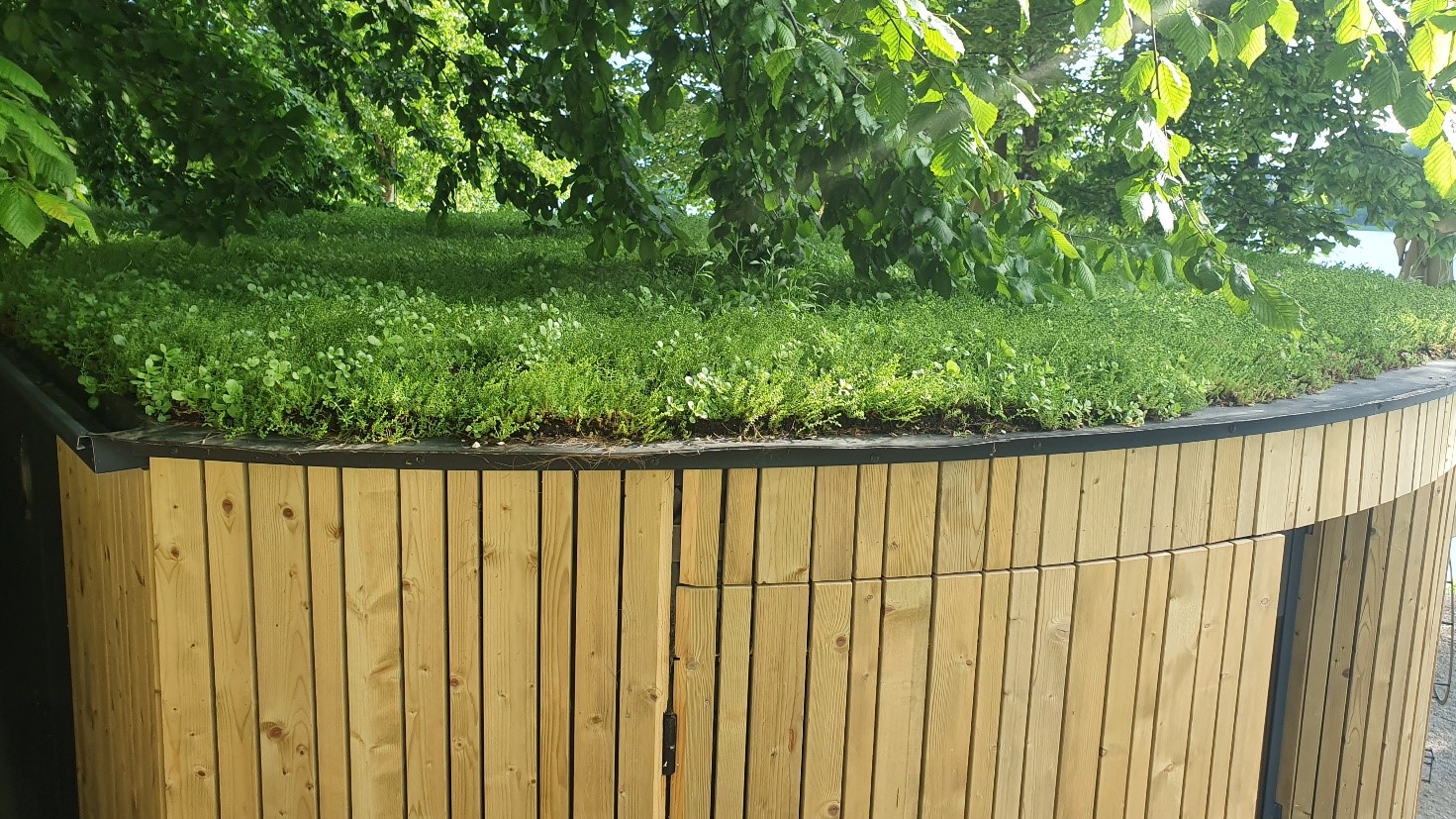
The Boathouse Trboje is simple structure build to provide catering to all those who spend time doing sports on the Sava River (kayaking, supping,…) as well as for those who like countryside cycling and stop here to relax for a while in the cool shadows on the trees. Totally incorporated green roof The Boathouse Trboje is simple structure build to provide catering to all those who spend time doing sports on the Sava River (kayaking, supping,…) as well as for those who like countryside cycling and stop here to relax for a while in the cool shadows on the trees. The owner wanted to embed nature in to the project in order to minimize the disturbance to this area. The structure is lightweight, designed from wood so owner was looking also for a lightweight, easy and quickly to install green roof solution that should require minimal maintenance. The prerequisite was also to totally incorporate green roof in to the wooden structure without and visible non-natural elements like edge profiles or other green roof edge elements. The solution for the challenge was Urbanscape Green Premium High system with high storm-water retention capacity which can provide sufficient water storage during the long dry summer periods. It was set-up on root-resistant EPDM waterproofing membrane, installed by investor and hand cut to follow the roof edge curvature. The roof is a great fusion with the surroundings and has a passive cooling effect. Designer: UrbanscapeYear: 2020

Read More »
Projects

Green island in the city with building greening

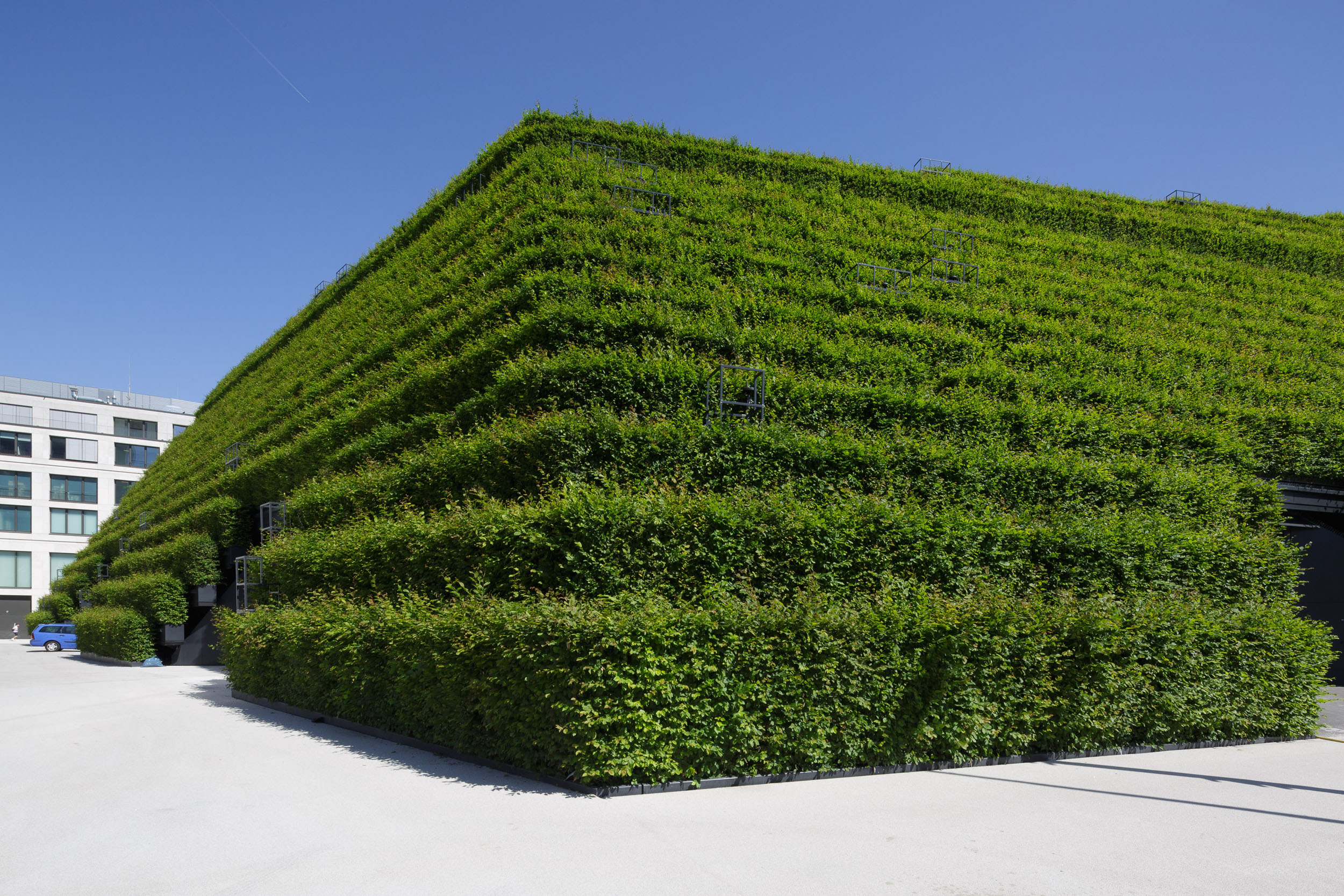
All pictures © Optigrün international AG Green island in the centre of Düsseldorf instead of a city motorway – building greening makes it possible. Location: Kö-Bogen IICity: Düsseldorf / GermanyDate:  2020 Designer/Project owner: Ingenhoven architects, Jointventure CENTRUM Düsseldorf and B&L Group HamburgRoof/Wall Slope: 3750 sqm/30000 sqm  Europe’s largest green facade The completion of Kö-Bogen II marks the end of a comprehensive urban redevelopment in the centre of Düsseldorf. Where a bustling overpass and the grey concrete roof of the underground car park on Gustaf-Gründgens-Platz spoiled the look of the city centre in 2013, you can now find Europe’s largest green facade. Patches of trees, seating, a lawn area and restaurants opposite the newly built office and commercial building now invite people to spend some time here. The 27 m high building measuring around 41,000 m² was designed by Düsseldorf-based architect Christoph Ingenhoven. The Kö-Bogen II complex is not only intended to create an outstanding building with architecture that shapes the city, but a comprehensive, sustainable concept should also be implemented for climate protection. After all, the consequences of climate change are clear to see everywhere: Urban heat islands and urban flash flooding. All consequences of the steady increase in soil sealing. According to the German Environment Agency, 56 ha (approx. 40 football pitches) of untouched nature is sealed with roads, living space and industrial sites every day in Germany, thus removing it from the natural water cycle. The natural water cycle – precipitation, drainage, evaporation – is hugely disrupted by this. High-density construction and soil sealing transform cities into heat stores. Causes and problems specifically in urban areas Sealing surfaces causes stormwater, which evaporates from natural surfaces, to drain away from the sealed surface much more quickly and in an uncontrolled manner. The drained stormwater is not evaporated. However, the evaporation of stormwater binds a large amount of energy, which is introduced into our habitat by sunlight, in the form of latent (not sensible) heat. This means the energy used for the stormwater evaporation process is energy that is transported out of our habitat, thus creating a cooling effect. If energy is not transported out of our habitat with stormwater, it results in urban heat islands. Green sloping facade The green sloping facade of the building complex with a hornbeam hedge comprises 30,000 hornbeams that were planted in Optigrün planters. This corresponds to a impressive length of 8 kilometres. The canopy of the facade measuring over 4 football pitches is an immense energy converter. The greenery prevents the facade from heating to up to 70 degrees with intense sunlight and this heat from going back into the ambient air. Almost half of the solar energy is converted into water vapour. Due to the evaporation that takes place, the ambient air is cooled and the typical urban gap in the natural water cycle is closed. With Kö-Bogen II, an attractive green concept has been implemented in Düsseldorf which sustainably demonstrates an ecological benefit: with the help of evaporation, the foliage of the hornbeams cools the ambient temperature, binds to fine dust, takes in CO2 and produces oxygen. Designer: Optigrün international AGYear: 2020City: Düsseldorf, Germany owner website

Read More »
EU chapter

Have Your Say: European Commission Consults on New Stormwater Policies

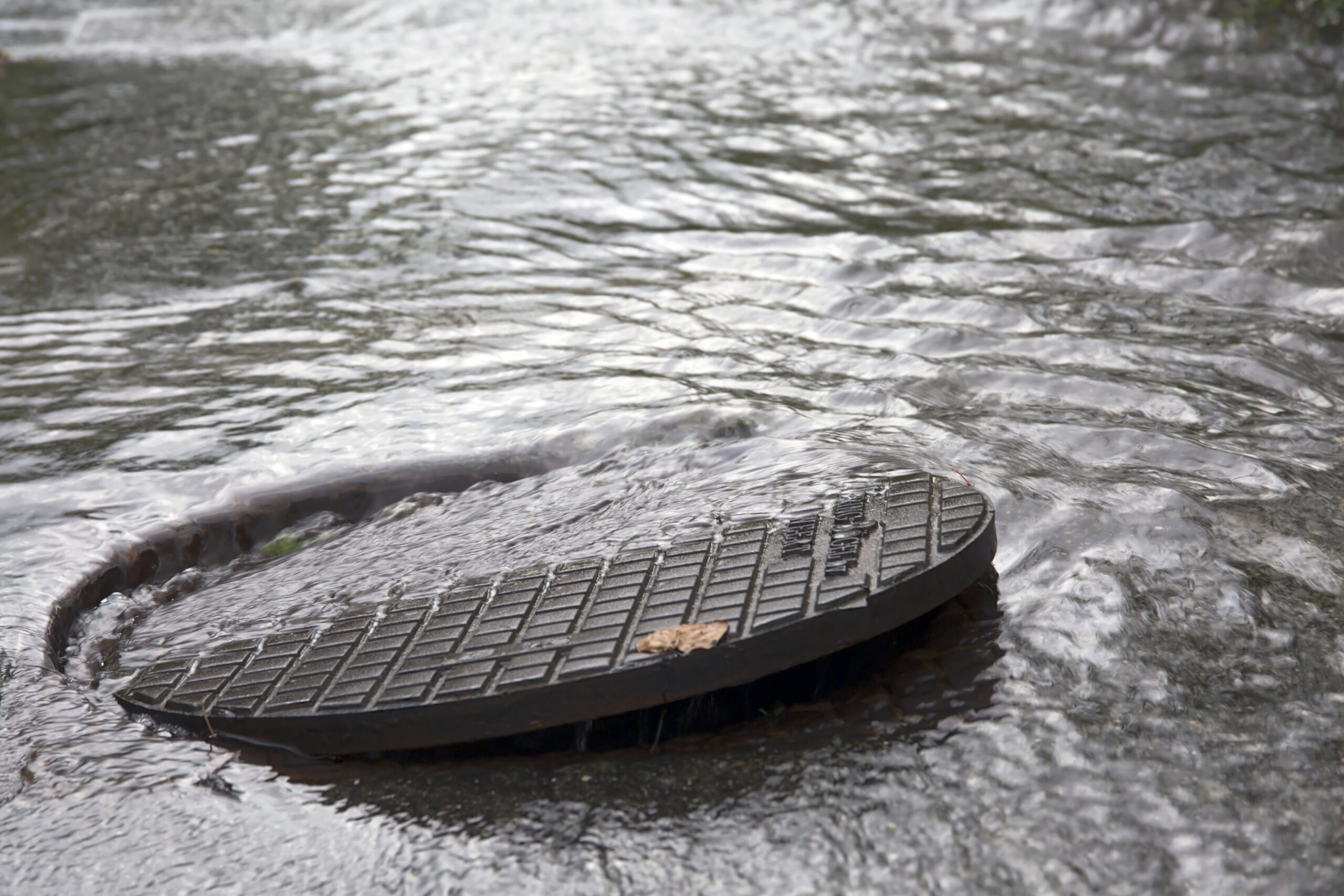
Oblique lid of a well after thunder shower. ID: 697109167 April 2021 was the wettest and coldest April on record, yet summer in Europe could not have had a better start for green infrastructure. Let’s find out why. In the Summer edition of Living Architecture Monitor (LAM), Head of EU World Green Infrastructure Network Luigi Petito, writes about the Urban Waste Water Treatment Directive (UWWTD) that was developed 30 years ago to ensure clean and safe urban wastewater in European cities. The full article is available here. The LAM magazine is a quarterly publication first published in 1998.  It features in-depth interviews with leaders in the green building movement, opinions, research, and green roof and wall project profiles. Living architecture is the integration of living, organic systems with non-living, inorganic systems in, on, or around buildings. Living architecture is an important step to reconcile people and nature in the modern built environment.

Read More »

Follow us on our social channels.

Follow us on the channel that best suits you to receive our latest updates!