Latest in: WGIN-mockup.

EU chapter

Have Your Say: European Commission Consults on New Stormwater Policies

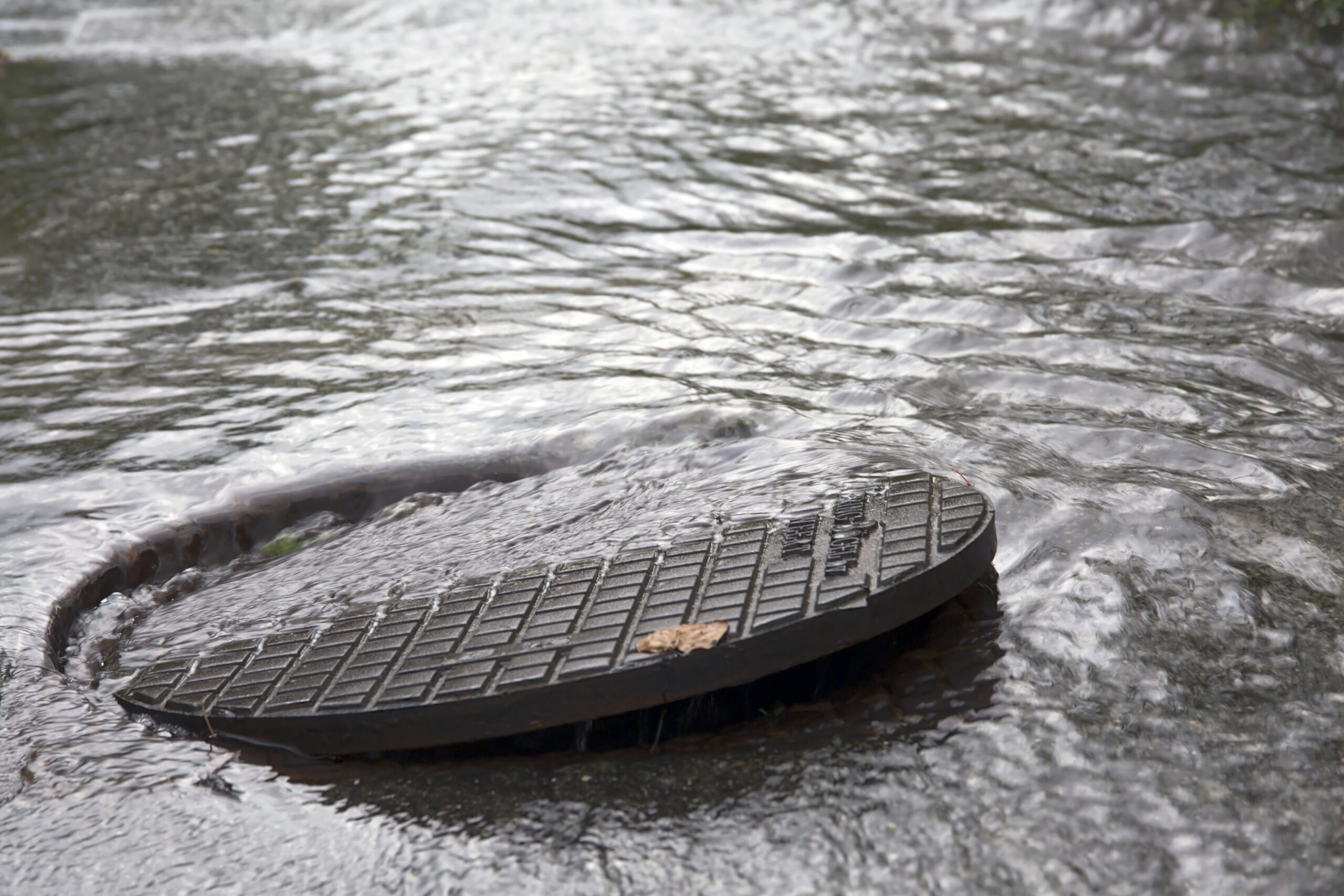
Oblique lid of a well after thunder shower. ID: 697109167 April 2021 was the wettest and coldest April on record, yet summer in Europe could not have had a better start for green infrastructure. Let’s find out why. In the Summer edition of Living Architecture Monitor (LAM), Head of EU World Green Infrastructure Network Luigi Petito, writes about the Urban Waste Water Treatment Directive (UWWTD) that was developed 30 years ago to ensure clean and safe urban wastewater in European cities. The full article is available here. The LAM magazine is a quarterly publication first published in 1998.  It features in-depth interviews with leaders in the green building movement, opinions, research, and green roof and wall project profiles. Living architecture is the integration of living, organic systems with non-living, inorganic systems in, on, or around buildings. Living architecture is an important step to reconcile people and nature in the modern built environment.

Read More »
Latest News

Launch of Sempergreen white paper: ‘Building for Biodiversity’

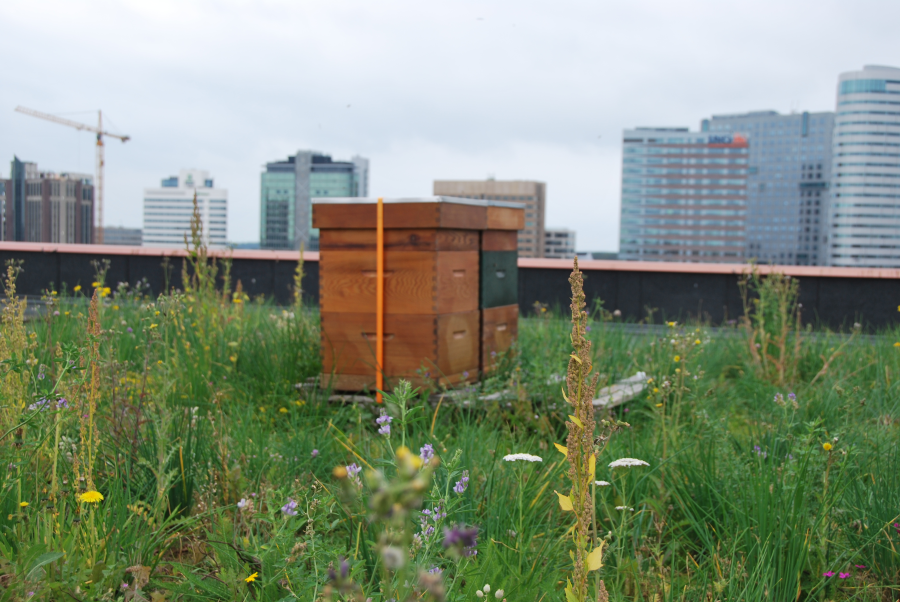
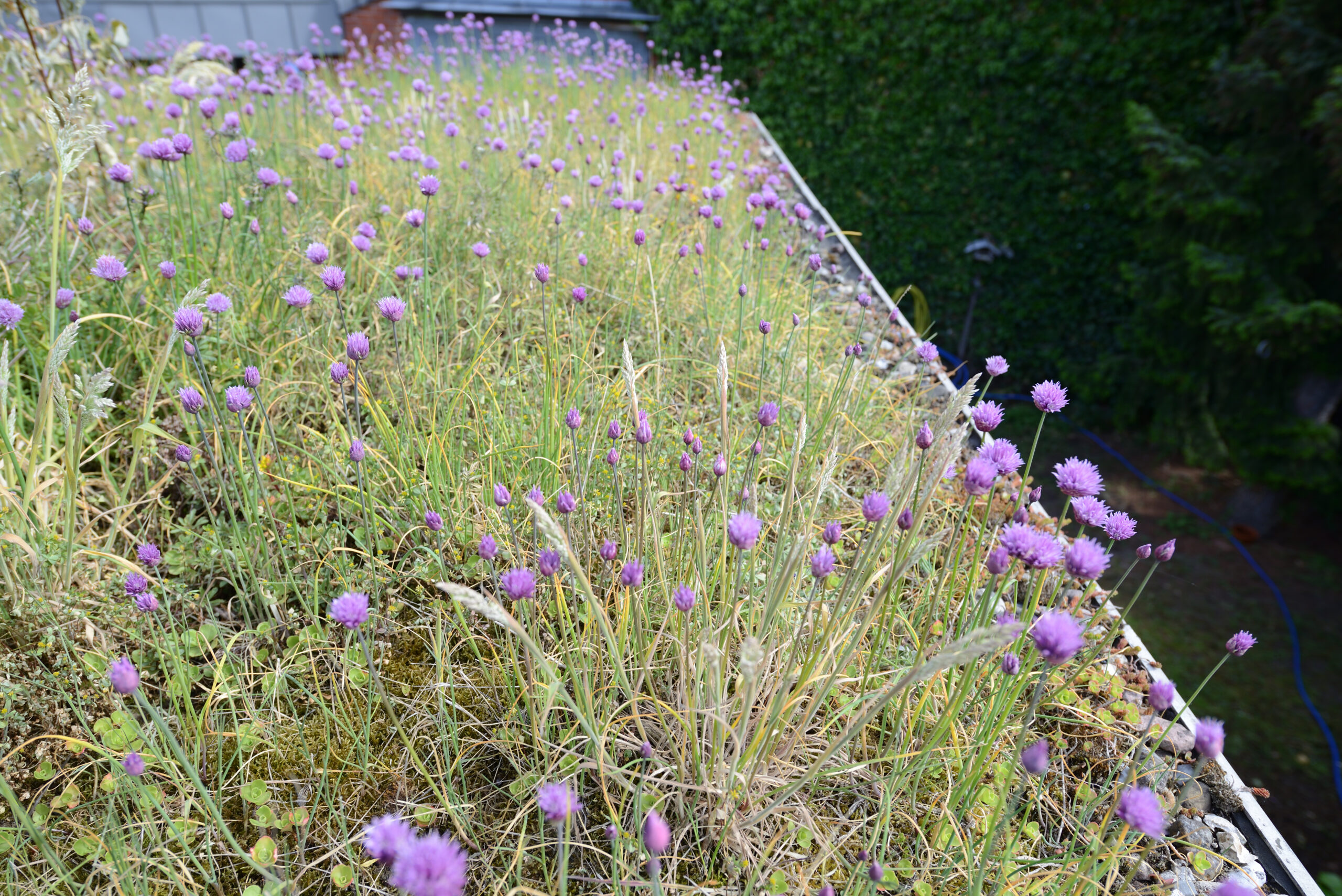
How can green roofs contribute to promoting biodiversity in urban areas? WGIN member Sempergreen developed a white paper ‘Building for biodiversity’, which answers this question and aims to raise awareness among architects, property developers, governments, and other parties involved in the construction and refurbishment of buildings. Hot topic Biodiversity is becoming a hot topic both in the industrial and political arena, as shown by the EU new Climate Adaptation Strategy and the European Parliament’s recent resolution on the EU biodiversity Strategy for 2030. And rightly so: biodiversity loss will have, and is already having, a devastating impact on both people and planet. Thankfully, we as humans can do something about it. Urbanisation being among the main causes of biodiversity loss across Europe, greening cities is the next logical step. Indeed, as recently recognised by the European Parliament, “green urban areas and green infrastructure can provide ecosystem services to support biodiversity and contribute to the physical and mental well-being of the population”. WGIN, Sempergreen and biodiversity In the new EU Climate Adaption Strategy, a novel focus is put on promoting green roofs and walls as ‘no-regret’ solutions to make urban infrastructure more climate-proof. As member of the World Green Infrastructure Network (WGIN), Sempergreen is actively advocating for increasing green infrastructure in the EU to create a more sustainable society. In addition to this white paper, Sempergreen Trade’s director Stephan Beerends was part of one of the panels of the European Green Infrastructure Day 2021, where he contributed to an illuminating discussion about biodiversity and urban development. You can download the white paper here. All images © Sempergreen

Read More »
EU chapter

In the press | Jure Šumi: “Green infrastructure bring life to cities”

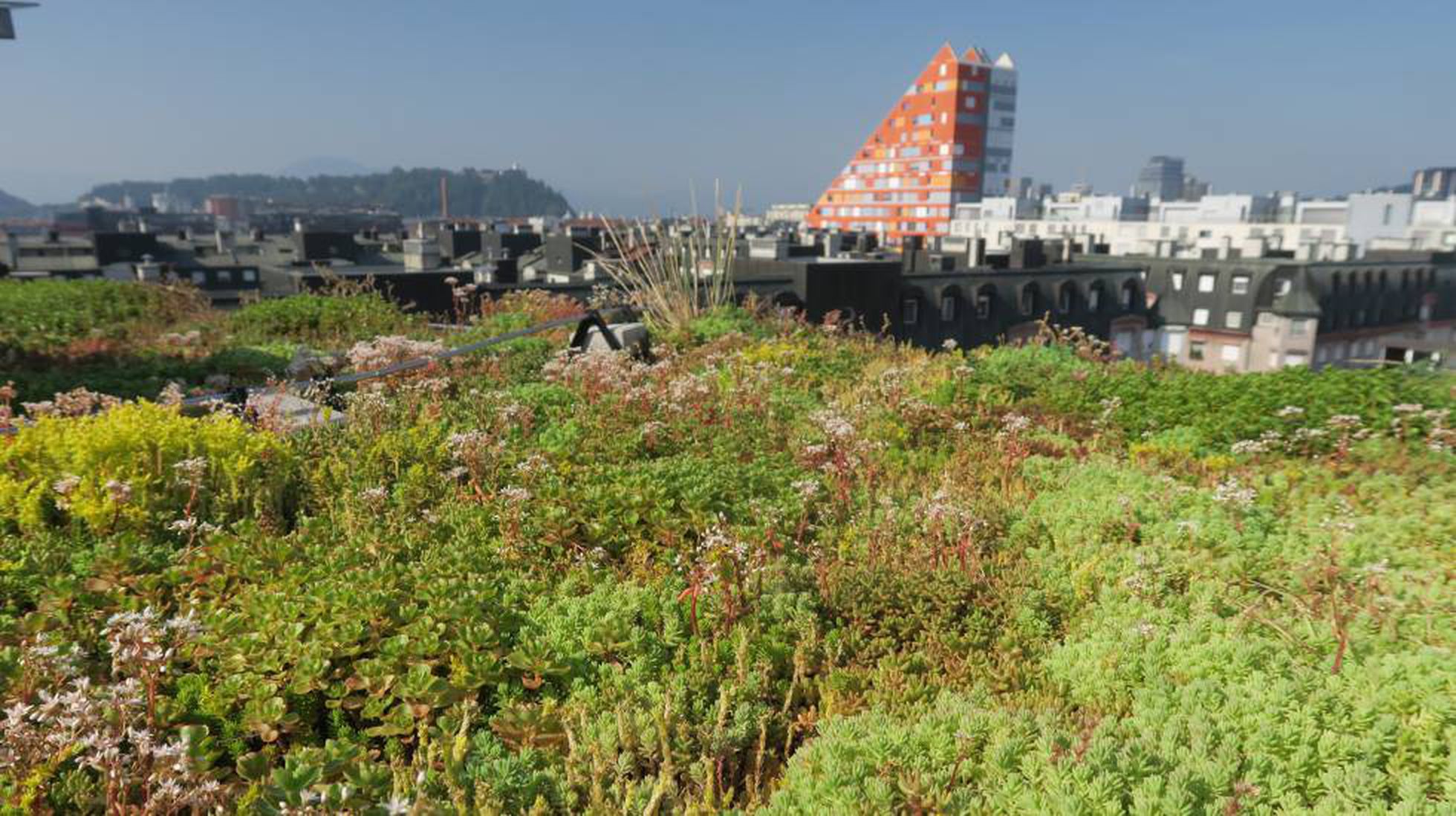
Azotea del Instituto Nacional de Biologia, en Liubliana, capital de Eslovenia. © DANILO BEVK In an interview to top-ranking Spanish media outlet El Pais, Jure Sumi, president of the Slovenian Green Infrastructure Association and Representative of the WGIN European Business Group presented the multiple benefits of nature in cities. “The holistic benefits that urban green infrastructure is bringing to cities are relatively little known”, Jure Sumi told El Pais, “People, and even city officials, are not aware of all the positive effects of nature. The benefits go beyond the aesthetic. Green infrastructure brings life to cities, reduces overheating in city centres, manages stormwater and removes dangerous dust particles from the air…. If buildings are designed correctly, green roofs on top can be additional amenity spaces for residents to enjoy nature at home.” “Not understanding all the benefits brings us to the second challenge”, he explained, “Adding green infrastructure is costly. As the benefits are not yet recognised, investors are not willing to pay much more for ‘green buildings’ as they are not sure how to sell the benefit to potential buyers. They see green infrastructure more as an additional cost than as an opportunity to increase the value of the building. I firmly believe that this is our task, to convince national and municipal governments, as well as investors and residents, to understand the benefits of green infrastructure. In the end everyone wins: municipality, investor, resident and, above all, nature.” Read the full article (in Spanish): https://elpais.com/elpais/2021/06/14/seres_urbanos/1623663219_703877.html

Read More »
Latest News

Nature within cities and cities within nature

30 JUNE 2021 BACKGROUND You are cordially invited to a high-level event, co-organized by the United Nations Environment Programme and the Portuguese EU Presidency, aiming at demonstrate the value of Nature-based Solutions (NbS) for cities, from developing climate resilient pathways to harnessing a broad range of environmental and socio-economic benefits. The event will highlight local participatory approaches as bases for long-term success, look at ways to scale impact with innovative approaches and call for genuine action across differentscales and sectors. The event will focus on exploring the multiple benefits of NbS for cities, highlighting opportunities and challenges to advance and scale up NbS, from local action to global solutions, accelerating impact in 2021 and beyond. The event starts with a high-level panel (16:00 – 16:30 CEST) which will discuss how the application of NbS can provide long-term social, ecological and economic benefits. The second session (16:30 – 17:30 CEST) features two technical panels with a focus on implementation challenges and opportunities as well as models for scaling up NbS from local action to global solutions. AGENDA Opening Remarks H.E. João Pedro MATOS FERNANDES, Portuguese Minister for the Environment Inger ANDERSEN, Executive Director, UNEP Multiple Benefits of NbS H.E. Ana ABRUNHOSA, Portuguese Minister of Territorial Cohesion H.E. Svenja SCHLUZE, German Federal Minister for the Environment, Nature Conservation and Nuclear Safety (Video) H.E. Andrej VIZJAK, Slovenian Minister of the Environment and Spatial Planning (Video) Opportunities and Challenges to Advance NbS Philippe TULKENS, acting Head of Unit, DG Research & Innovation, Healthy Planet Directorate, European Commission Ana DAAM, Head of Division of Sustainable Finance and Adaptation, Portuguese Environment Agency Rosário OLIVEIRA, Researcher, Institute of Social Sciences (ICS), University of Lisbon From Local Action to Global Solutions: Models for Scaling up NbS Duarte D´ARAÚJO, Landscape Architect, Lisbon Municipality Angela CRUZ GUIRAO, Director of Green and Sustainable Development, Campinas City Hall Q&A session Wrap up by Moderators Susana NETO (University of Lisbon) and Catarina ROSETA-PALMA (ISCTE-IUL)

Read More »
Projects

Ilhapura Green Roof

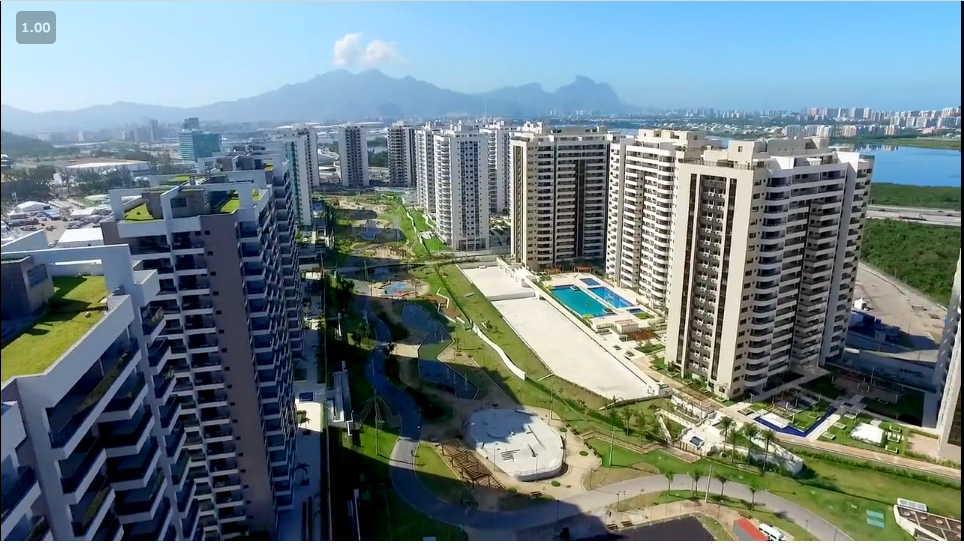
Ilhapura Green Roof – Vila dos Atletas – accommodation for athletes of the 2016 Olympic Games in Brazil. A total of 24 towers with 11,235m2 – the largest set of green roofs in a single development in Latin America. Extensive FLAT System by Instituto Cidade Jardim cultivated with natural organic compost and native succulent species mixed with Portullaca stems.

Read More »
Projects

Green Roofs with solar panels of Rende Wastewater Treatment Plant

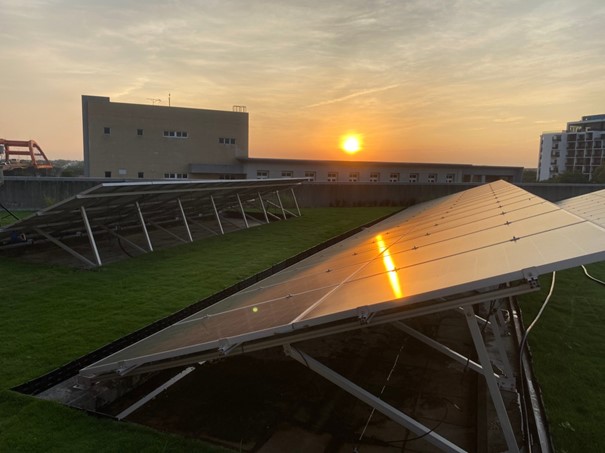
The extensive green roofs with a total surface of 233.68 m2 along with the solar panels on the rooftop of Rende Wastewater Treatment Plant adjust the indoor and outdoor temperature. The green roofs cool down the solar panels (from 61.8℃  to 36.4℃) and increase the efficiency of outputting power (increase up to 23.3% power generation). Location: Tainan, Taiwan owner website

Read More »
Projects

Ökosiedlung Düsseldorf-Unterbach

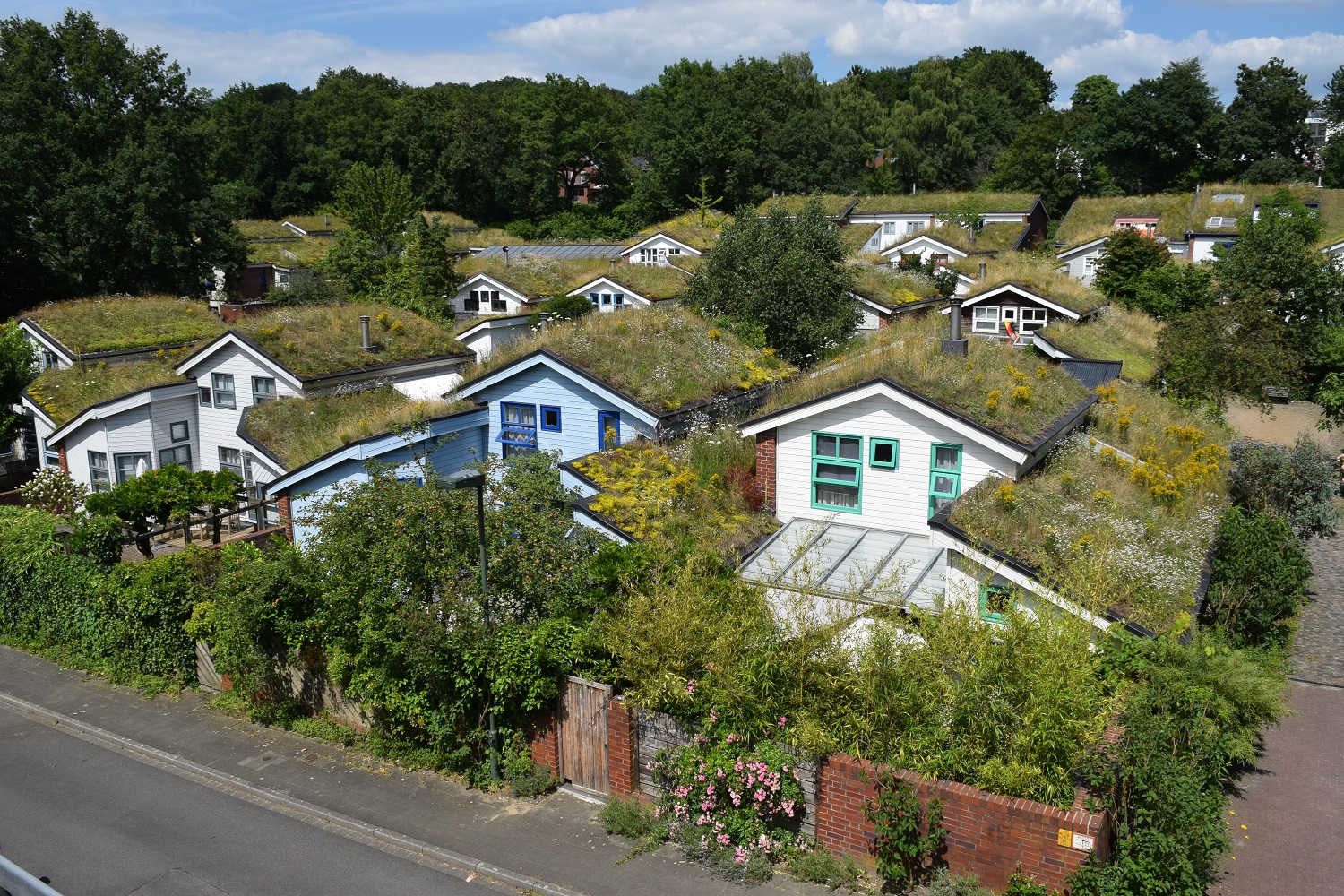
© BuGG In the 1980s, a group of 30 families came together and decided to build a housing estate. It was supposed to provide a natural environment for children and was built to be environmentally friendly. Parts of the houses are made of wood and all buildings have grass roofs. The pavement is laid with cobbles so that the rainwater can easily drain into the ground. In many houses, clay stoves were installed, which run through all floors. This allows all rooms to be heated in an energy-efficient manner. In total, there are 30 terraced houses in the eco-settlement. In addition, there is a large community house where, for example, yoga, dance classes, or joint celebrations take place. Designer: BuGGYear: 1930Location: Germany owner website

Read More »
Projects

S. Dinis Green Roofs

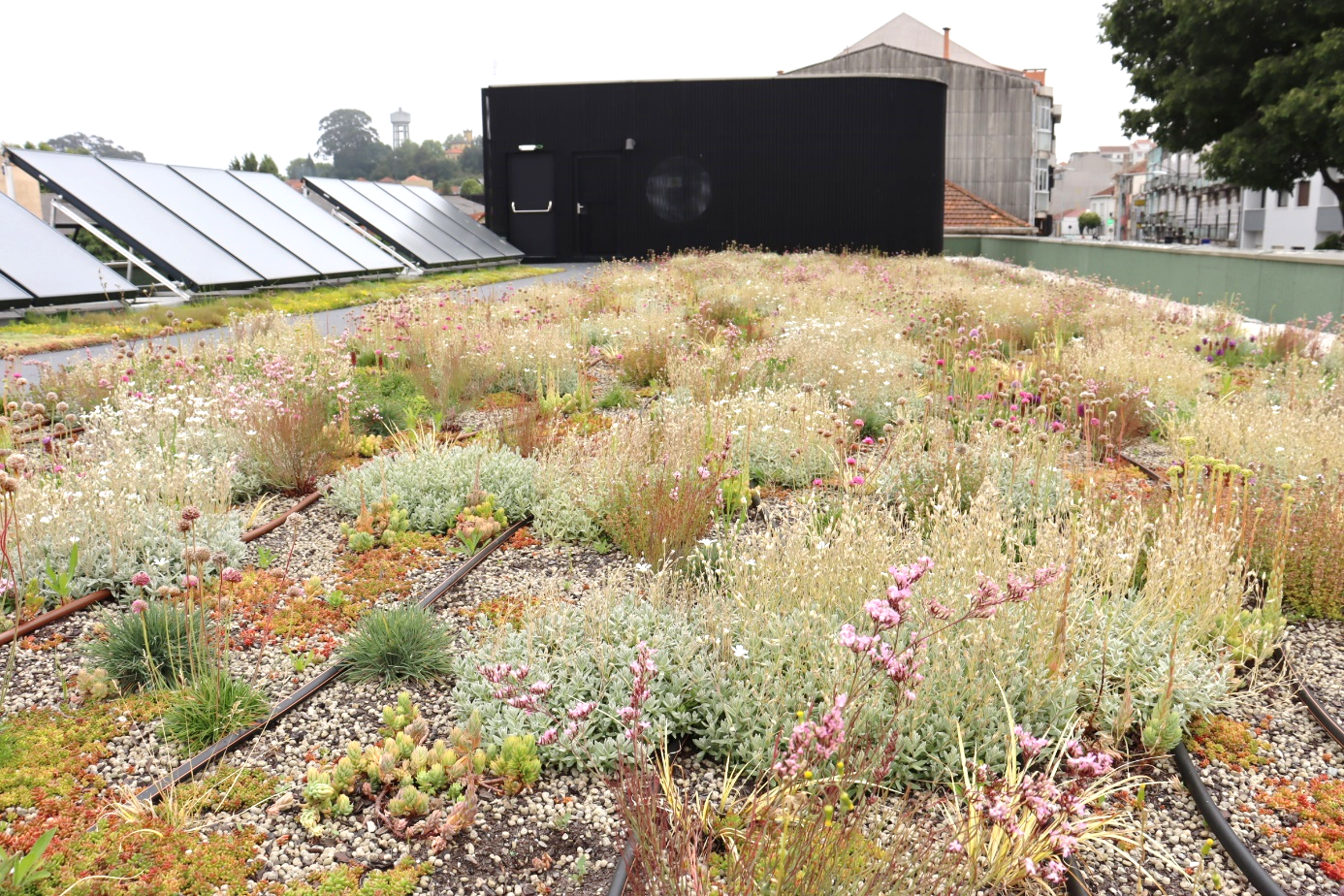
Green roof on the building on Rua S. Dinis, in Porto, under the responsibility of the company Neoturf espacos verdes, belonging to Porto’s City Hall. Green roof consultancy: Associação Nacional de Coberturas Verdes (ANCV) Landlab ZinCo Green Flat and Sloped Roof Systems Installation by the company Neoturf espaços verdes Designer: ANCV with NeoturfYear: –Location: Porto owner website more info at:Neoturf www.neoturf.ptLandlab www.landlab.pt

Read More »
Projects

ETAR (WWTP) of Alcântara, Lisbon

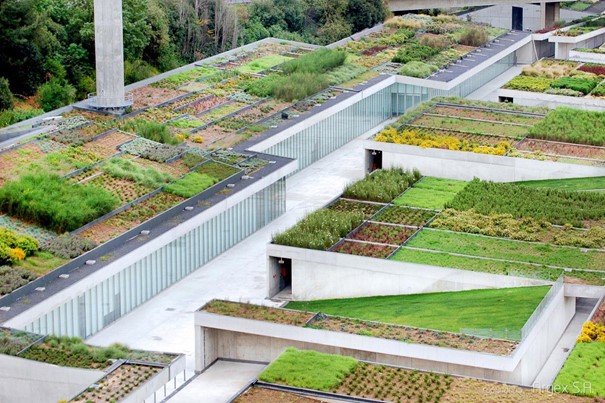
The intervention takes place as a moment of territorial reconfiguration of the morphology of the Alcântara Valley and as a confrontation between distinct and complementary natures – hillside space/covered space. Recovering lost continuities, both of visual and ecological systems “The intervention takes place as a moment of territorial reconfiguration of the morphology of the Alcântara Valley and as a confrontation between distinct and complementary natures – hillside space/covered space. The reconfiguration is carried out in the sense of finding a defined path for a landscape recovery of the valley, for a recovery of a consistent dialogue between the currently disconnected slopes and for a reestablishment of a relationship obstructed by the cut imposed by the current WWTP. Further downstream, the cut is accentuated by the urbanization and transformation, not yet carried out, of the slope exposed to the west. We speak of landscape recovery because we try to recover lost continuities, both of visual and ecological systems. The reminiscence of the archetypal morphology of the valley, the Alcântara Valley, is reinterpreted through the reconstitution of the terrain underlying the road corridors implemented on the half slope. Together with this action, we promote the constitution of the genesis of a pedological substrate capable of supporting a viable vegetation cover, rich in its floristic and imagery diversity, correspondingly decisive for the stabilization and consolidation, for the dynamic balance of the slope and, consequently, for its biological reactivation and for its full integration in the structural systems – visual, ecological, of the city’s landscape.” PROAP Start Date: 01.2005End Date: 01.2011Theme: Infrastructure Integration, Environmental RequalificationArea: 8,4 haClient: SimTejo S.A. Location: Lisbon, PortugalAuthors: João Nunes (PROAP), Carlos RibasCollaborators: Carla Silva, Clara Guedes, Joana Barreto, Mariana Sargo, Miguel Coelho de Sousa, Nuno Mota, Sara NevesArchitecture: Manuel Aires Mateus, Frederico Valsassina (FVA) Designer: ARGEX with PROAPYear: 2011Location: Lisbon owner website more info at:PROAP http://www.proap.pt/pt-pt/FVA https://www.fvarq.com/

Read More »
EU chapter

European Parliament calls for green roofs targets to restore urban biodiversity

The European Parliament adopted its position on the EU Biodiversity Strategy for 2030, signalling another important recognition of green infrastructure benefits. On 9 June 2021, the European Parliament adopted the resolution “EU Biodiversity Strategy for 2030: Bringing nature back into our lives”, fully endorsing the EU Commission strategy to address the current biodiversity crisis in Europe and the rest of the world. In the resolution, the Parliament calls on the European Commission to set ambitious legally binding targets for urban biodiversity, nature-based solutions, ecosystem-based approaches and green infrastructure, highlighting their benefits for both humans and wildlife and their contribution to the overall biodiversity targets. To promote urban biodiversity, MEPs stress the need to include measures such as a minimum share of green roofs on new buildings, supporting urban farming, ensuring no chemical pesticides are used and reducing fertiliser use in EU urban green areas. At the same time, the Parliament underlines the importance of increasing the number of green spaces according to the number of inhabitants of European urban areas, while also addressing inequalities in access to green spaces. The resolution recognises that green urban areas and green infrastructure can provide ecosystem services to support biodiversity and contribute to the physical and mental well-being of the population. In this view, MEPs support the Commission’s initiative to set up an EU platform for urban greening. “We are glad to see that the European Parliament recognizes the key contribution of green infrastructure to restore biodiversity in urban areas”, said Prof. Manfred Koehler, President of the World Green Infrastructure Network. “Bringing nature back into our cities is among the most urgent and difficult challenges that Europe and the world are facing. By installing vegetated surfaces on our buildings, we can create a natural habitat for pollinators, small insects and birds, and even allow for urban farming, in places that are otherwise unutilised.” In the resolution, MEPs regret that the EU has not achieved its 2020 biodiversity objectives, stressing that the new strategy must tackle all five main drivers of change: changes in land and sea use; the direct exploitation of organisms; climate change; pollution; and invasive alien species. Moreover, they ask to mobilise €20 billion per year for biodiversity action in Europe. About usThe EU Chapter of the World Green Infrastructure Network (WGIN) aims to increase the awareness of European Union policymakers about the multiple benefits of green infrastructure, with a specific focus on Building Integrated Vegetative Systems (green roofs and living walls). WGIN brings together national and regional industry associations, researchers, and companies to promote the incorporation of urban green infrastructure practice and planning, globally.

Read More »

Follow us on our social channels.

Follow us on the channel that best suits you to receive our latest updates!