Latest in: EU chapter.

EU chapter

Cultivating Change: The Role of Urban Agriculture in European Policy

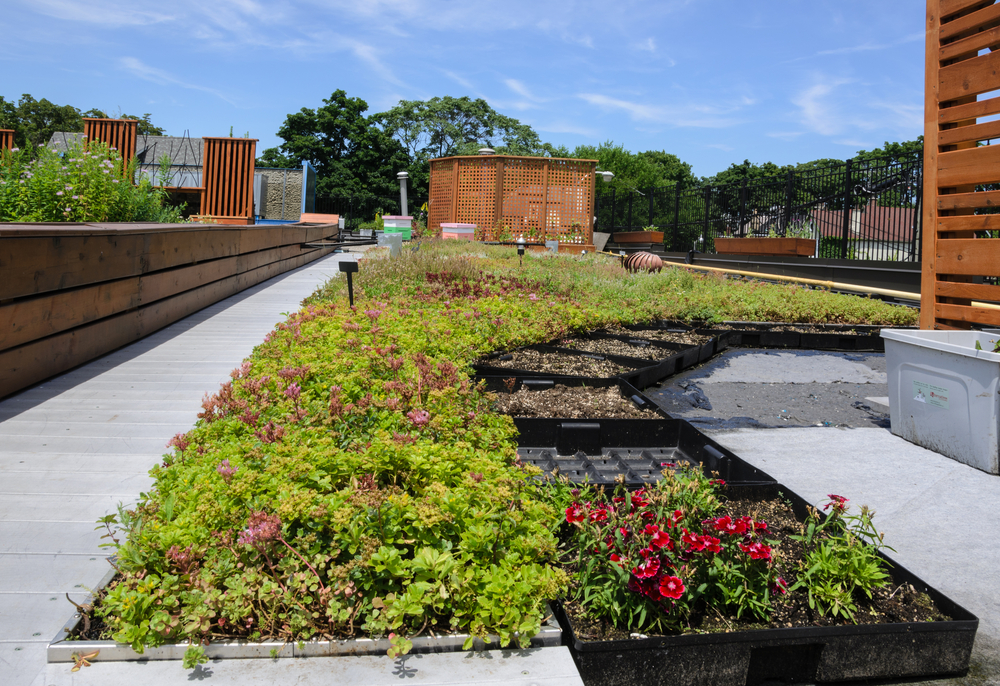
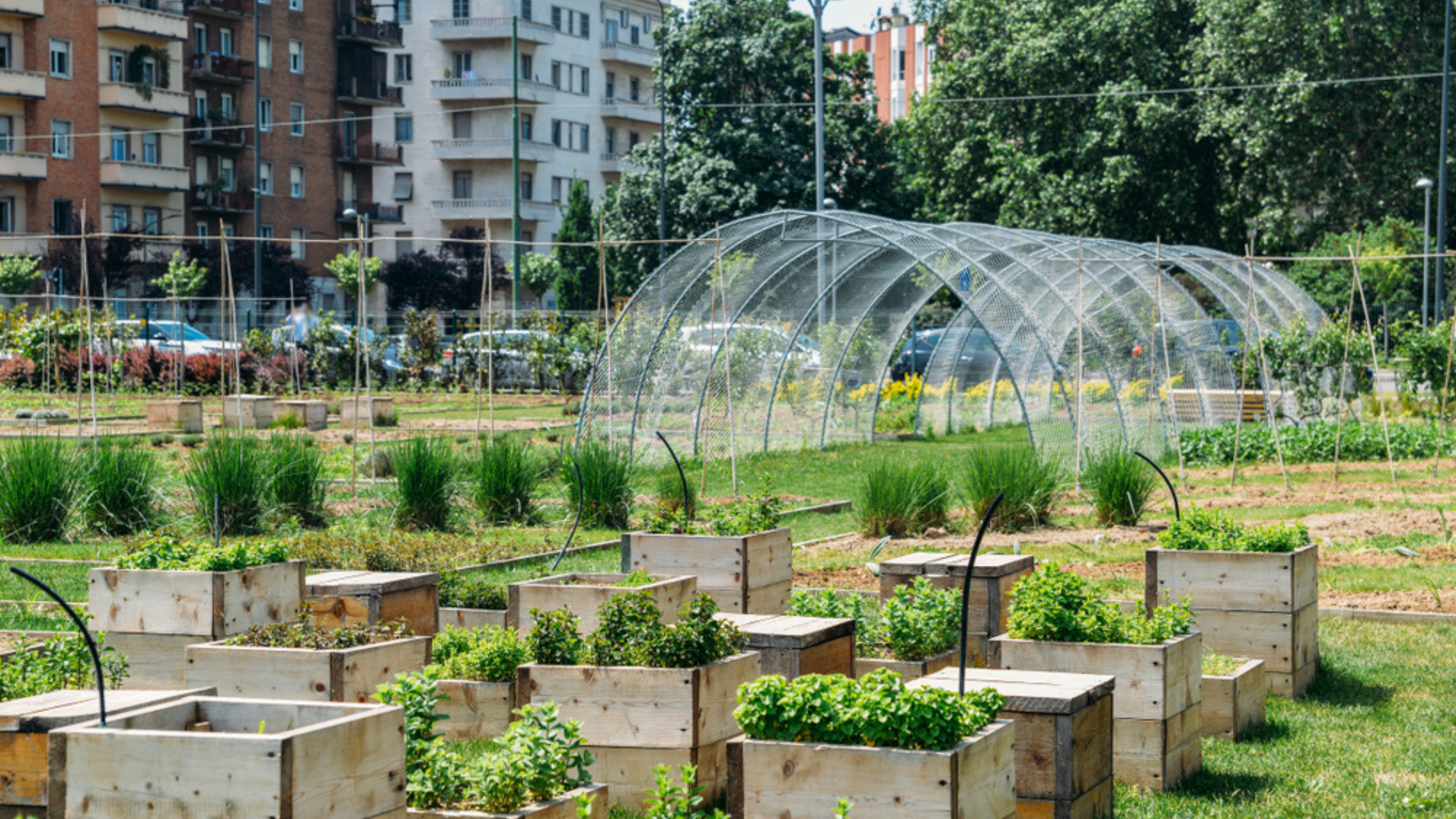
 Roof garden, Vegetable garden on the roof, Vegetables on the roof of the building, Agriculture in urban on the roof of the building. Shutterstock ID:1010959666 In the concrete jungles of our cities could take root a quiet revolution: urban agriculture. As we struggle with the challenges of food security, environmental degradation, and climate change, harnessing the potential of urban spaces for agricultural production can emerge as a solution. Urban agriculture has a myriad of benefits which could be delivered to people through a reevaluation of European policies. Urban agriculture offers a broad range of benefits that extend beyond mere food production. Firstly, it fosters food security by bringing fresh, locally grown produce closer to urban dwellers, reducing reliance on long-distance transportation and mitigating the increasing risks associated with disruptions to global supply chains. Moreover, cultivating crops within cities promotes biodiversity as green spaces created through urban agriculture serve as habitats for diverse flora and fauna. Additionally, urban agriculture plays a pivotal role in mitigating climate change. By converting impervious surfaces, vacant lots, rooftops, and walls into productive green spaces, carbon sequestration is enhanced, while reducing the urban heat island effect and mitigating stormwater runoff, thereby increasing urban resilience to extreme weather events. Finally, engaging in urban agriculture fosters community cohesion and social inclusion. Community gardens and allotment schemes provide spaces for interaction, knowledge sharing, and skill development, forging stronger bonds among residents and promoting a sense of ownership and pride in local neighbourhoods. Read the full article by Luigi Petito, Head of Secretariat at WGIN’s EU Chapter in the Spring 2024 issue of Living Architecture Monitor.
Read More »
EU chapter

Inventory and Potential Analysis of Green Roofs by BuGG

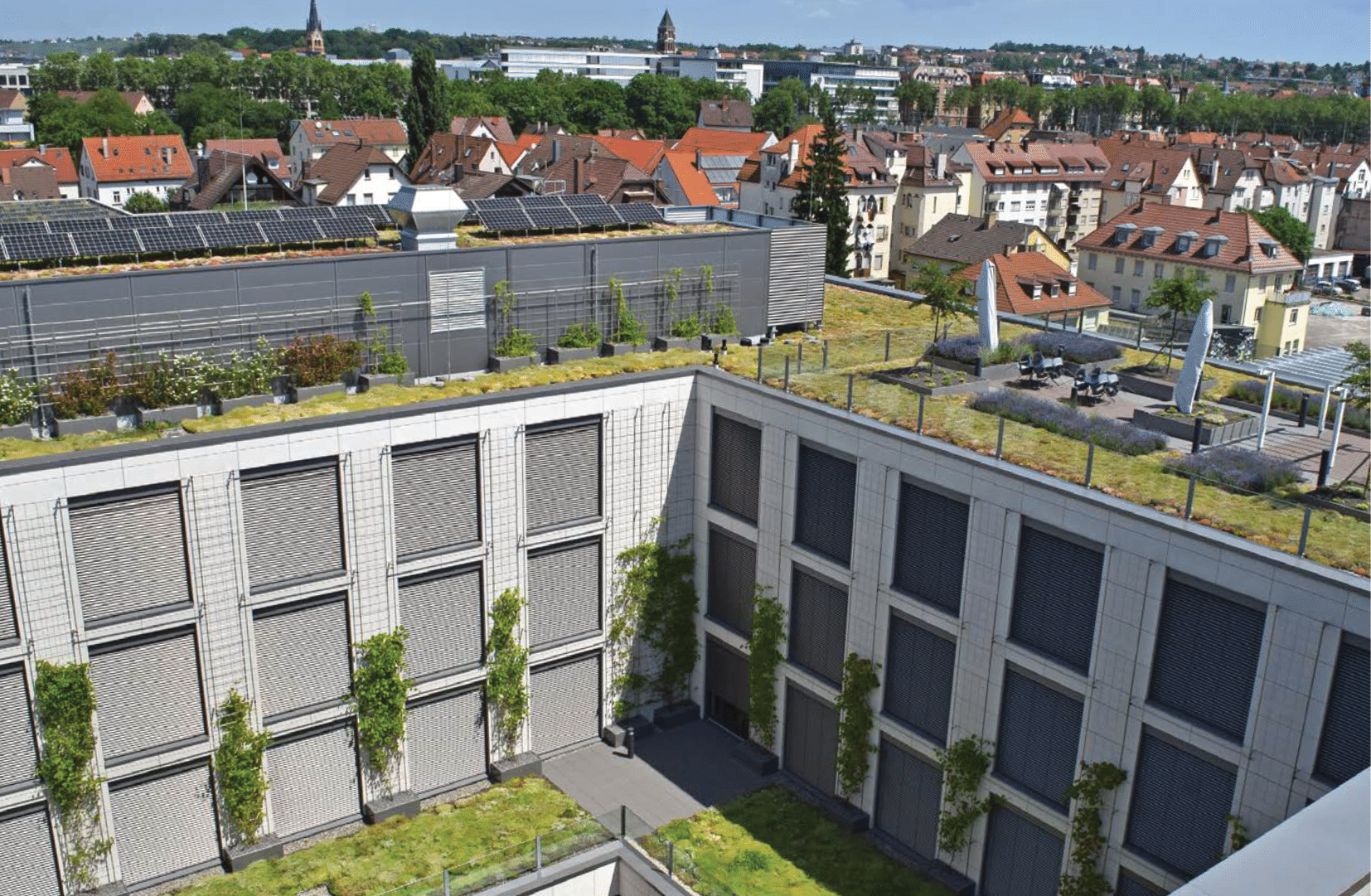
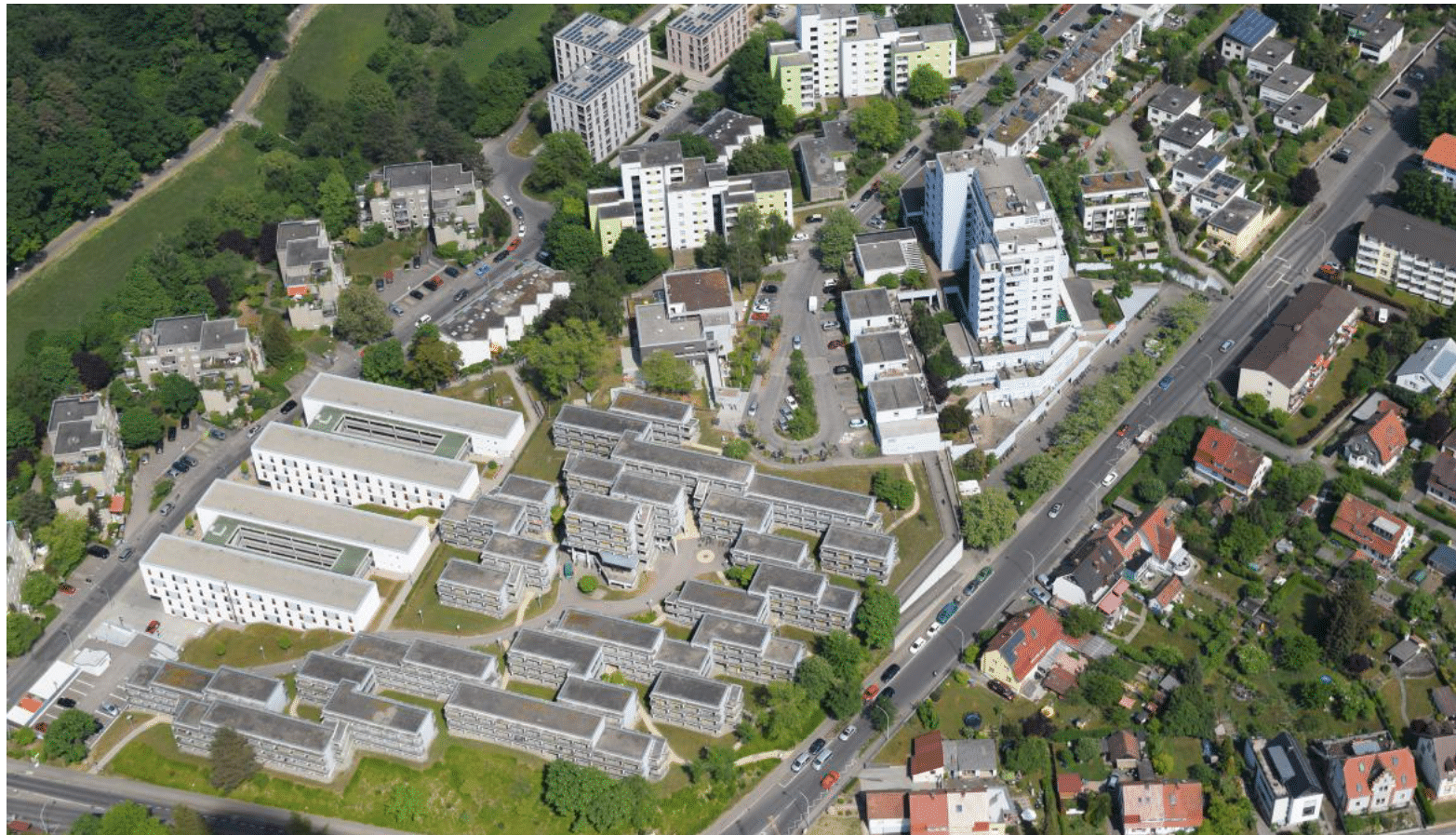
German Association of Building Greening (Bundes-verband Gebäude Grün e.V. – BuGG), together with the German Aerospace Center (Deutsches Zentrum für Luft- und Raumfahrt – DLR), has carried out the research project “Inventory and Potential Analysis of Green Roofs” and developed a standardized procedure for the analysis of existing and potential green roofs. The result of the project was the development of a software application that allows a fast and efficient analysis of urban roof surfaces. In view of current climate developments (including overheating and extreme precipitation), green roofs continue to be a focus of attention. Many cities are therefore giving green roofs a particularly high priority in their climate change adaptation plans. A targeted expansion of the green infrastructure on urban roofs is therefore seen by many communities as an important component of future-oriented urban planning. An important basis for the development of local green roof strategies is therefore provided by specific geo data sets, which, in addition to the area and location of existing green roofs, also identify suitable roof areas for subsequent greening. Read the full report here. Image © BuGG e.V.

Read More »
EU chapter

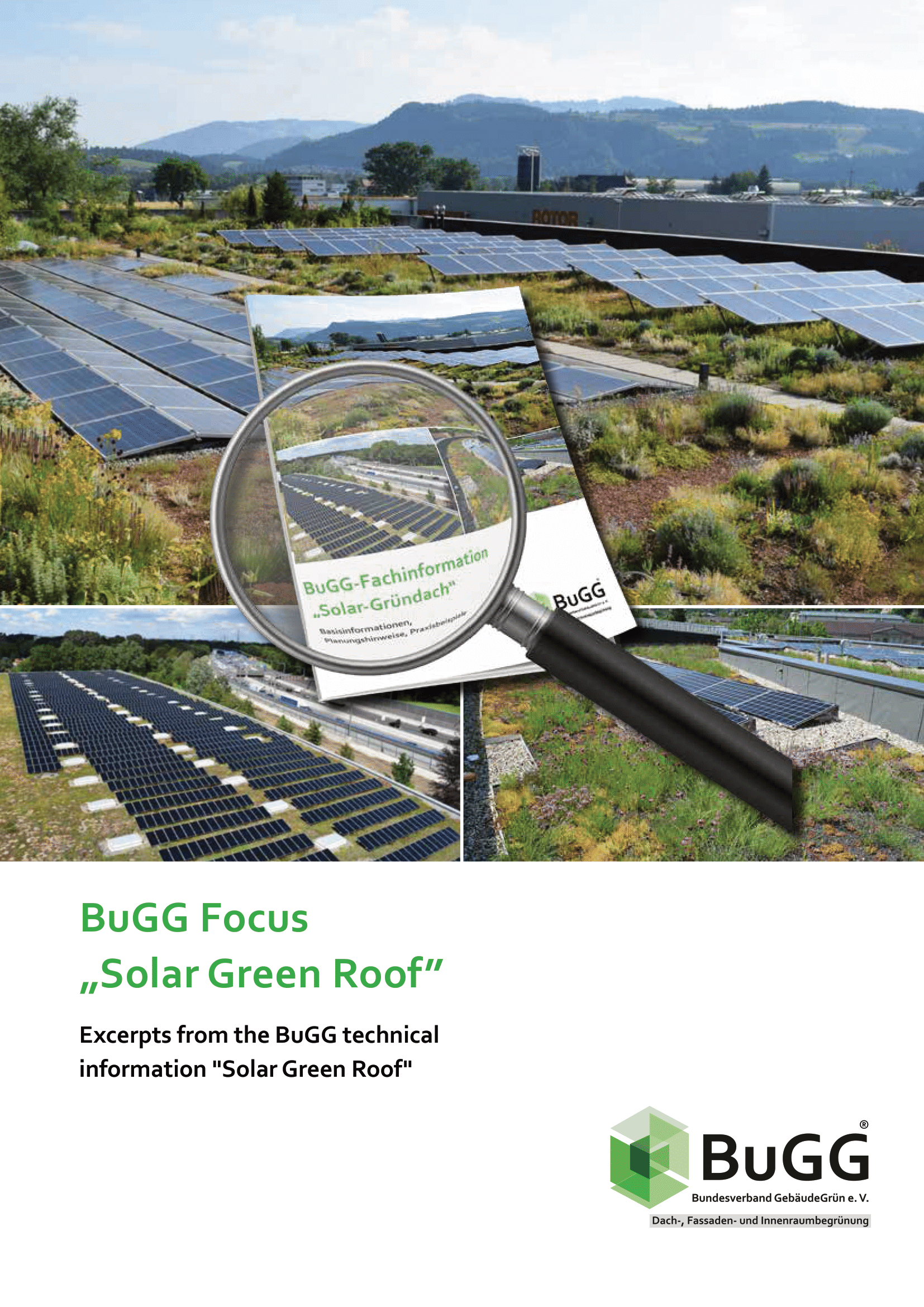
BuGG Focus “Solar Green Roof”

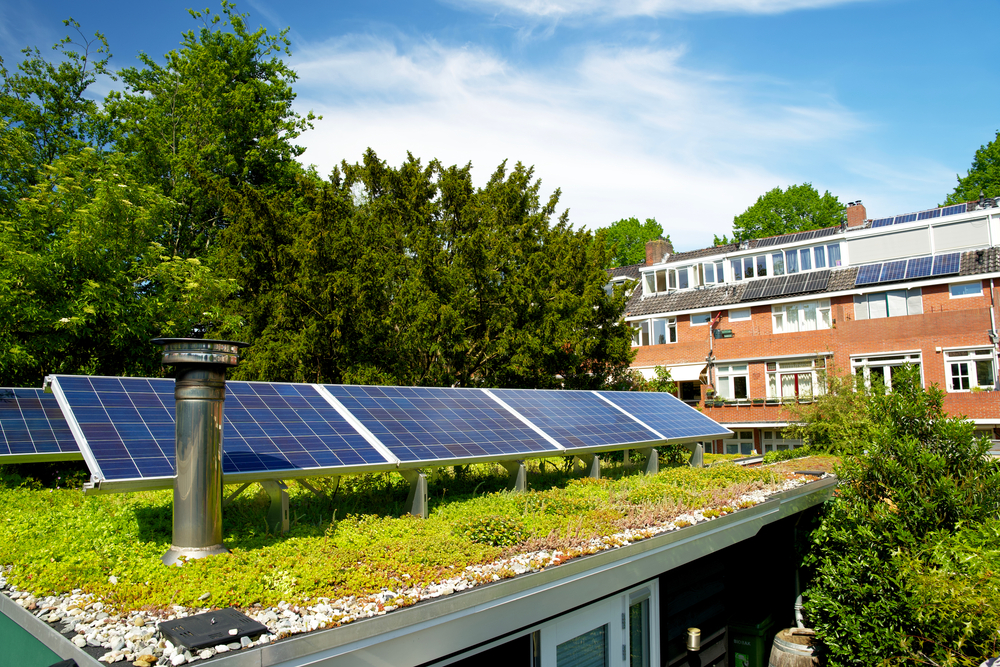
Bundesverband GebäudeGrün e.V. (BuGG) provides technical information on Solar Green Roofs. The detailed BuGG technical information “Solar Green Roof” comprises 52 pages, including plant lists, practical examples and is well illustrated with almost 80 illustrations and sample photos. It can be ordered for a nominal fee of 19 euros plus shipping costs: info@bugg.de. Read excerpts from the BuGG technical information “Solar Green Roof” here.   Image © BuGG e.V. 

Read More »
EU chapter

WGIN signs joint statement on the Urban Wastewater Treatment Directive

Aerial view of rooftop garden in urban residential area. ID: 1361273999 22 January 2024 – With the interinstitutional negotiations on the Urban Wastewater Treatment Directive (UWWTD) in full speed, WGIN joined forces with 18 organisations to call upon co-legislators to adopt an ambitious recast of the directive. The signatories, non-profit association, businesses and business associations underlined the opportunity that represents the revision of this 30-year-old legislation to adapt it to modern water challenges. In particular, the letter stresses that many technical advances, such as green infrastructure solutions, have not yet been mainstreamed for the reduction of wastewater treatment needs. Therefore, the signatories call for, among others, “Ensuring a timely introduction of integrated urban wastewater management plans that prioritise green and blue infrastructure to climate-proof cities and reduce pollution from urban wastewaters and runoffs”. The letter comes ahead of the next trilogue meeting on the UWWTD, planned for the 29 January, which is expected to significantly progress negotiations on the revised directive. Read the full letter here.

Read More »
EU chapter

BuGG Market Report on Building Greening 2021

Bundesverband GebäudeGrün e.V. presents its Market report on Building Greening 2021: Green Roofs, Green Facades and Interior Greening in Germany. Bundesverband GebäudeGrün e.V. (BuGG) published its first market report about 2020 which comprised an overview of the most important figures on green roofs, facades, and interiors in Germany. In doing so, a reference work has been created that, was used thousands of times by policymakers, industry, construction, the media, universities, and students. With the present market report of 2021, the figures of the building greening market are updated, focusing on the increase of green roofs and facades, and the BuGG City Survey 2021 on municipal subsidy instruments. Read the Market Report on Building Greening 2021. * Excerpted translation of the original German version

Read More »
EU chapter

Green roofs acknowledged for the first time in EPBD

Solar panels on a green roof with flowering sedum plants. Green rooftop garden with renewable solar energy system. Groene daktuin. ID: 1984038581 On 15 January 2024, the Committee on Industry, Research and Energy (ITRE) approved the trilogue agreement on the Energy Performance of Buildings Directive with a comfortable majority. EPBD For the first time, the agreed text requires EU countries to consider green roofs when meeting their solar energy on buildings obligation. This is a clear recognition of the potential of biosolar roofs! The text now needs to be approved by the European Parliament’s plenary and EU ministers. Both votes are tentatively scheduled for March 2024. Read the full EPBD text here.

Read More »
EU chapter

New Innovations in Bisolar Technology

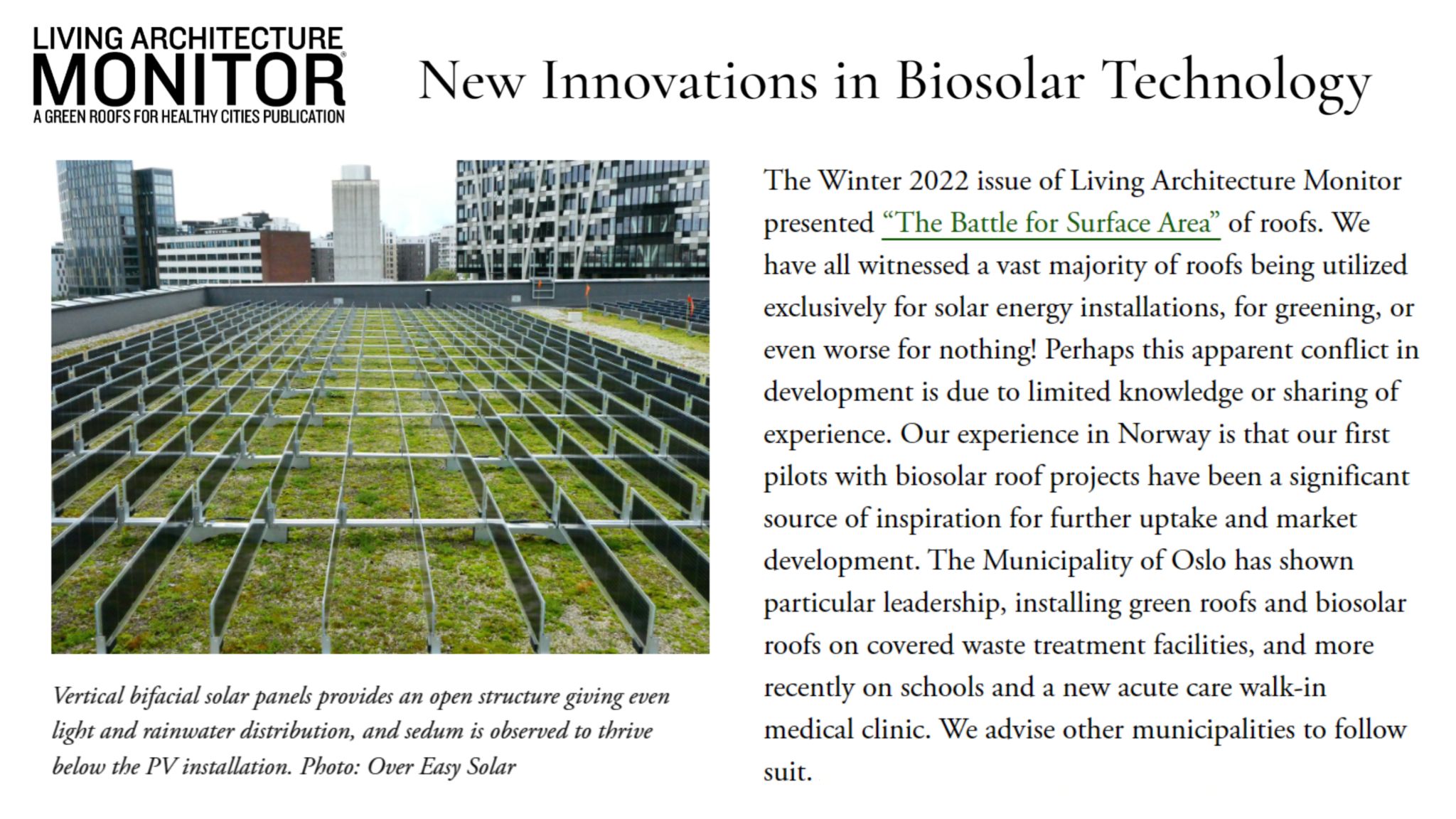
In Norway, first pilots with biosolar roof projects have been a significant source of inspiration for further uptake & market development, says David Vernon Brasfield, Chairperson of the Norwegian Association for Green Infrastructure and Secretary of the World Green Infrastructure Network. Explore the advantages & challenges of Biosolar Roofs in the winter 2023 issue of Living Architecture Monitor 

Read More »
EU chapter

Industry Leaders Support Innovative European Union Policy Advancements Regarding Green Infrastructure

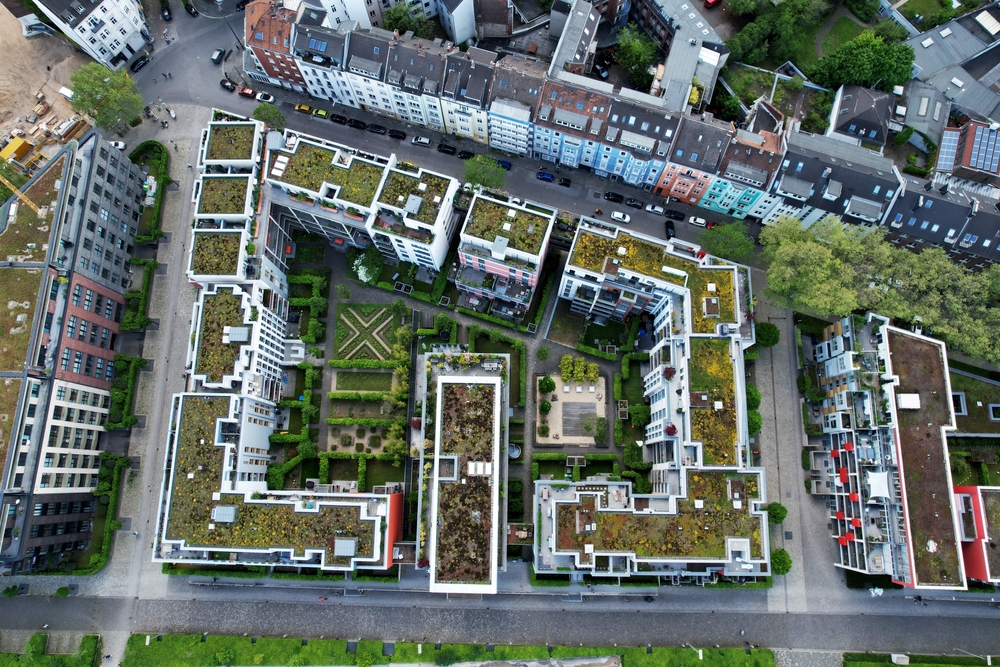
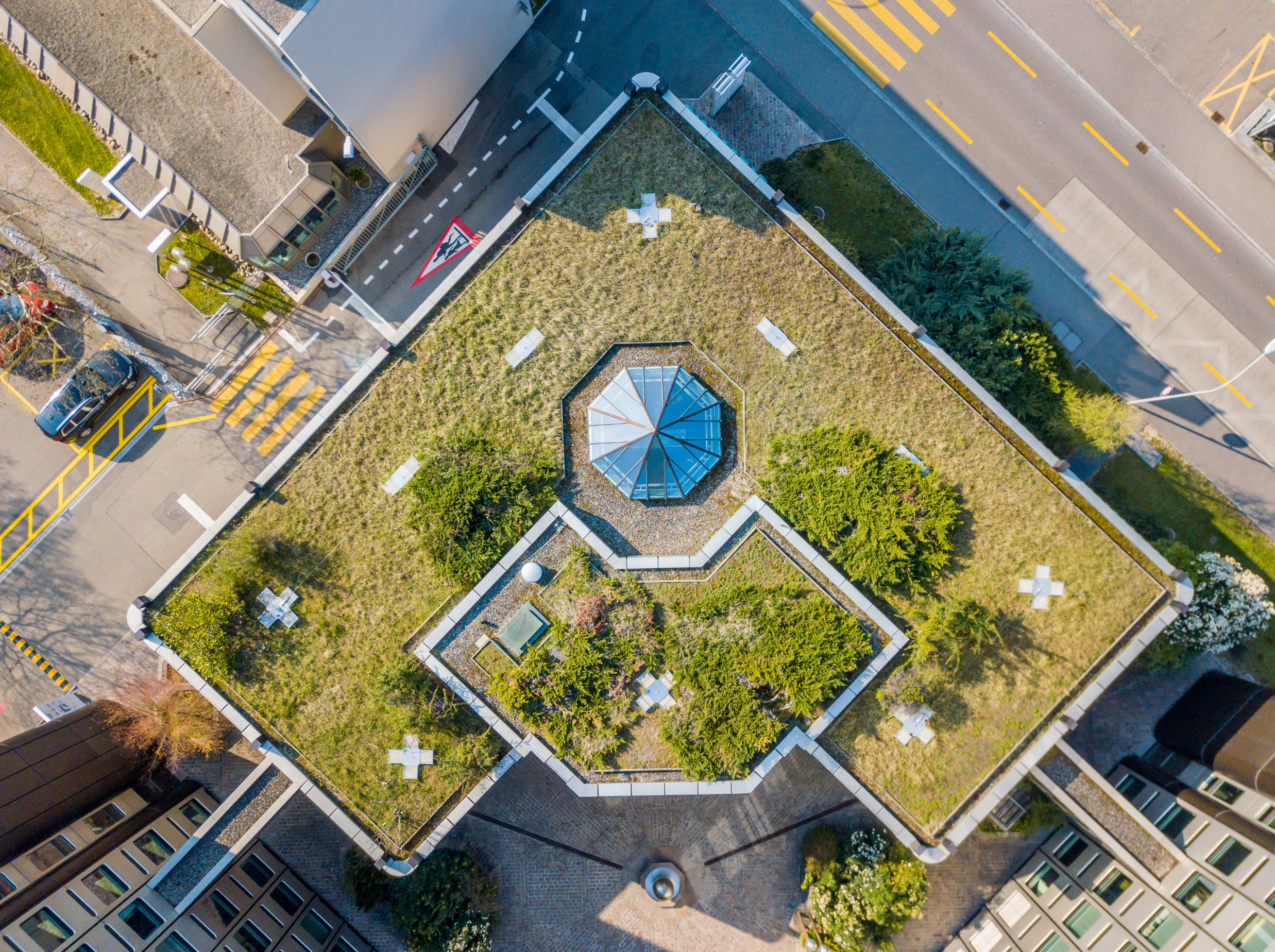
An aerial view of a district in Duesseldorf, Germany. ID: 2151579185 The increasing attention to policies and regulations concerning green infrastructure in urban areas signifies noteworthy advancements. However, with the EU elections next year, we must work diligently to ensure urban green infrastructure remains high on the agenda of the new EU institutions. The growing focus on policy and regulations pertaining to green infrastructure in urban areas indicates significant progress – Nature Restoration Law; Urban Wastewater Treatment Directive (UWWTD); Pollinators Initiative; Energy Performance of Buildings Directive (EPBD). However, with the European elections scheduled for next June, we must work diligently to ensure urban green infrastructure remains high on the agenda of the new EU institutions. Forecasts predict around 70 per cent turnover in the members of the European Parliament, emphasizing the need for continued advocacy. Read the full article by Luigi Petito in the winter 2023 issue of Living Architecture Monitor. 
Read More »
EU chapter

European Parliament shares its view on the revised Pollinators Initiative

The European Parliament approves a resolution endorsing & sharing its priorities on the European Commission’s Revised Pollinators Initiative.  On 23 November 2023, the European Parliament approved a resolution on the revised Pollinators Initiative. This is a non-binding document expressing the priorities of the European Parliament on the initiative in order to best shape and ensure the successful implementation of the Commission’s Revised Pollinators Initiative, adopted earlier this year.  The resolution highlights key points aimed at promoting the conservation of biodiversity and ecosystems in urban areas, specifically focusing on protecting the pollinator populations. It emphasizes the importance of the integration of these concerns into urban planning practices and calls on all Member States to monitor pollinator populations in cities, while encouraging the sharing of best practices among cities.  A significant aspect of the resolution is that it stresses the benefits of green roofs and vertical gardens in providing habitats for pollinators, contributing to urban sustainability, and enhancing the quality of life of citizens.   The resolution also proposes the creation of a “nature fund” in the European Multiannual Financial Framework (MFF). The MFF itself will be defined sometime in 2027. The resolution’s various elements will be subject to the considerations of the European Commission and the Member States.  Read the full text here: bit.ly/47xNRZM 

Read More »
EU chapter

Nature Restoration Law negotiations come to a close

The agreed text on Nature Restoration Law sets urban greening targets for EU countries. During the night of 9 November 2023, the EU Parliament and Council of EU reached an agreement on the first ever Nature Restoration Law in Europe. The final text, which has not yet been publicly shared, mandates Member States to set greening targets in cities.  More specifically, Member States will need to ensure that there is no net loss of urban green spaces by the end of 2030, unless for urban ecosystems that already have over 45% of green space. After 2031, Member States will have to increase urban green spaces until a “satisfactory level” is reached (which they have to define). The increase in urban green spaces shall also include the integration of green spaces on buildings and infrastructure.  This is a positive result as it will create momentum for the greening of cities, including roofs and walls, supporting the restoration of biodiversity in urban areas. However, specific attention will have to be given to the way the “satisfactory level” of greening is set and to monitor each cities’ progress.  Find the Council of the EU Press Release on the Nature Restoration Law agreement here.

Read More »

Follow us on our social channels.

Follow us on the channel that best suits you to receive our latest updates!